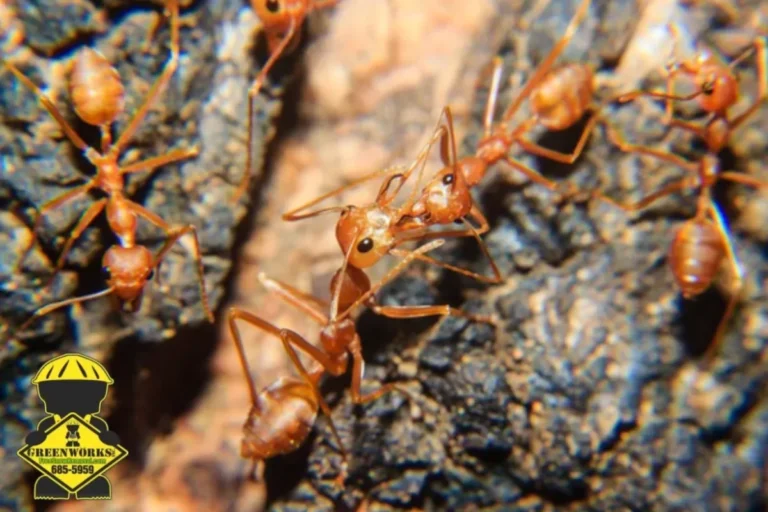
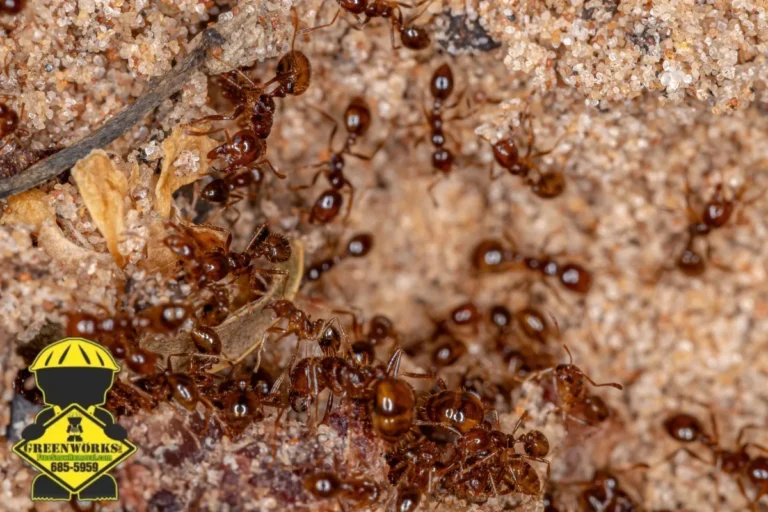
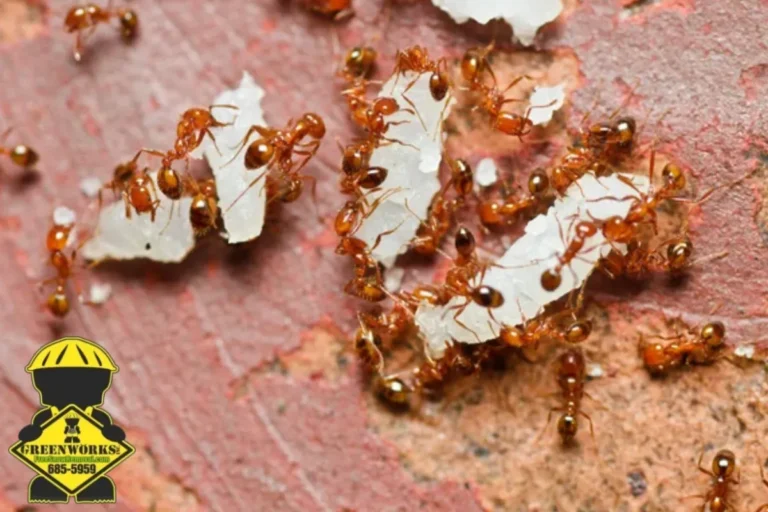
Applying fire ant bait directly on top of a mound is dangerous to the success of your pest control efforts because it triggers an immediate alarm response within the colony. Instead of eating the bait, the ants perceive the granules as a threat or “trash,” prompting them to relocate the queen or move the mound to a nearby, hidden location.
Why Targeting the Mound Is a Recipe for Failure
Fire ants are a constant frustration in the Tampa Bay area, especially following heavy rains when sandy mounds seem to pop up overnight. Many homeowners instinctively pour bait right onto the center of a mound, hoping for a direct hit. However, this is actually the fastest way to ensure the colony survives. Because fire ants are highly sensitive to disturbances, dropping a pile of bait on their front door signals “danger” rather than “food.”
We’ve seen the results of this mistake repeatedly. During a recent audit for a family in Apollo Beach, we found that their attempt to treat individual mounds had actually caused the ants to splinter into five smaller, more aggressive colonies across the yard. Understanding the biology of these insects is the only way to achieve real fire ant control.
The Critical Difference: Mound Drenching vs. Baiting
It is vital to distinguish between a “contact killer” and “bait.” Contact killers, like liquid drenches, are meant to kill on impact. Bait, however, is a slow-acting “Trojan Horse.” It relies on the ants’ natural social behaviors to work. If you place bait directly on the mound, you interrupt their foraging cycle and trigger a defensive retreat.
Comparison Table: Direct Application vs. Perimeter Baiting
| Feature | Direct Mound Application | Perimeter/Broadcast Baiting |
| Ant Reaction | Alarm and defensive relocation | Natural foraging and acceptance |
| The Result | The mound “disappears” but moves | Total colony elimination |
| Queen Impact | Queen is moved deeper or away | Queen eats the bait and dies |
| Efficiency | Very low; misses hidden colonies | High; intercepts all foragers |
Technical Specifications of Fire Ant Bait
To get the most out of your Apollo Beach pest control efforts, you have to work with the ants’ biology. Bait isn’t just poison; it’s a delivery system that requires the colony to remain calm and hungry.
- Delayed Toxicity: The active ingredient allows the worker ant to stay alive long enough to carry the food back to the heart of the nest.
- Oil-Based Attractants: Most professional baits use processed soybean oil. Ants are scavengers looking for fats; they see these granules as a high-energy meal.
- Trophallaxis: This is the process by which ants share liquid food with one another. This is how the bait eventually reaches the queen, who never leaves the deep underground chambers.
- Pheromone Triggers: When a mound is disturbed, ants release an “alarm pheromone.” This signal tells the colony to stop eating and start moving the larvae and queen to safety.
Applying our Strategic Approach to Solve This
At Greenworks, Inc, we don’t just toss chemicals at a problem. We utilize a proprietary strategic approach built on over 50 years of local experience. We understand that the specific soil and humidity levels require a more thoughtful touch than a standard big-box store solution.
Our method focuses on creating a safe environment for your family and animals by using targeted, low-impact applications. We prioritize ongoing treatments and barrier applications that look at the yard as a single ecosystem. Instead of chasing a visible mound, we create a 10-foot “interception zone” around it. By placing bait where ants naturally forage, we ensure they pick it up willingly during their normal routines.
This leads to long-term protection because it treats the colonies you can’t see yet. For every mound on the surface, there are often several “satellite” colonies forming underground. Our strategy ensures those are eliminated before they ever break the surface of your grass.
Debunking the Myth: “If the Mound Moves, the Ants are Gone”
One of the most common things we hear when providing pest control in Apollo Beach, FL, is: “I put the bait on the mound, and the next day they were gone, so it worked!”
This is a misconception. Fire ants are master relocators. If they feel threatened by a flood, a lawnmower, or a pile of chemicals, they can move the entire colony in a few hours. When the mound “disappears” after you top it with bait, they haven’t died; they’ve simply moved 10 feet over, often under a sidewalk or foundation where they are harder to reach. You haven’t solved the problem; you’ve just moved it.
Why Local Expertise Matters
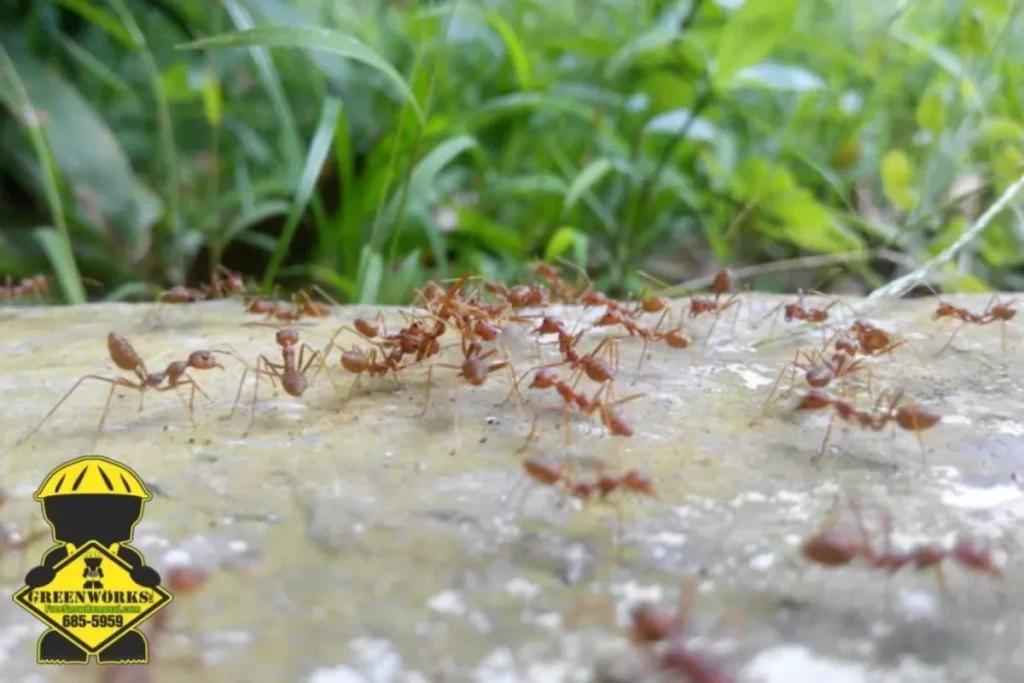
The sandy soil and high water table near the coast mean that fire ants behave differently here than in drier climates. Afternoon thunderstorms can quickly wash away bait or make it go rancid. When you look for pest control in Apollo Beach, you need a team that knows exactly when to time applications to avoid the rain while hitting the peak foraging window.
People Also Ask (FAQ)
Why didn’t the ants eat the bait I put out?
If the bait got wet from rain or even heavy dew, the oils go rancid. Fire ants are very picky; if the bait doesn’t smell fresh, they will treat it like trash and move it away from the nest.
How long does it take for fire ant bait to work?
Because it is a slow-acting growth regulator, it usually takes 7 to 14 days to see a drop in the population. This delay is necessary to ensure the bait reaches the queen.
Should I water the bait in after I spread it?
No. Unlike fertilizer, fire ant bait must stay dry. Water ruins the attractant and prevents the ants from carrying the granules back to the nest.
Secure Your Lawn with Greenworks, Inc
You deserve an outdoor space where your family can walk barefoot without fear. At Greenworks, Inc., we are a community-focused team that takes pride in being a trusted partner for our neighbors. Our decisions are rooted in transparency, sustainability, and your total satisfaction.
We want you to feel confident that your lawn is in expert hands. By choosing our results-driven, personalized approach, you are getting a service tailored to the unique climate of the Tampa Bay area.
Ready to stop chasing fire ants? Contact us today for a free quote or consultation.
Let us help you maintain a vibrant, healthy, and pest-free environment year-round with our hassle-free approach to pest management.