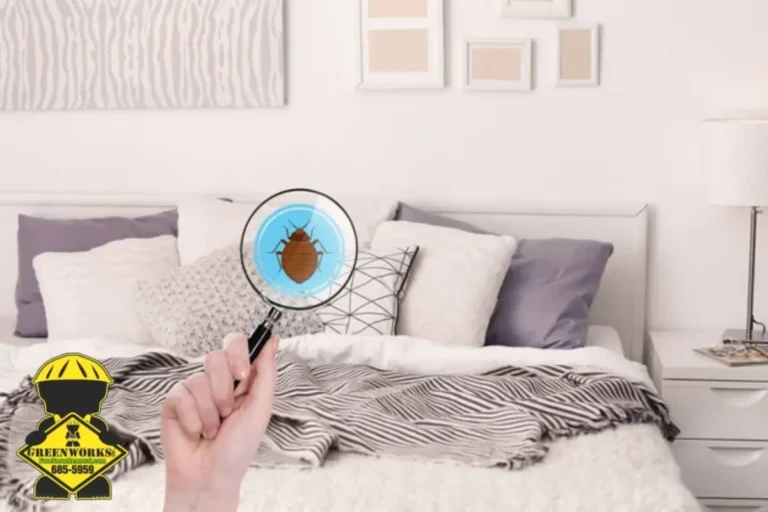
Complete bed bug eradication usually requires two to three professional visits because standard pest treatments cannot penetrate or kill unhatched bed bug eggs. A secondary visit, typically scheduled 10 to 14 days after the initial service, is biologically necessary to eliminate newly hatched nymphs before they mature into breeding adults. This multi-step process ensures that the entire reproductive lifecycle is permanently broken, preventing a secondary resurgence in your property.
The Anatomy of an Infestation: Why Time Is Your Best Weapon
Dealing with the nuisances can be an incredibly stressful experience for any property owner. When you hire a professional bed bug exterminator, it is natural to want the problem fixed immediately in a single afternoon. However, the unique biology, behavioral habits, and evolutionary defenses of these pests make a “one-and-done” treatment almost impossible for standard chemical approaches. To achieve lasting success, professional protocols must align with the insect’s natural timeline.
During a recent pest audit for a home in Apollo Beach, our team had to explain this reality to a family who wondered why their previous provider’s single-visit treatment failed. The truth is, missing even a single pregnant female or a small cluster of eggs can cause a complete re-infestation within a matter of weeks. Understanding the science behind the need for multiple visits will help set realistic expectations and ensure long-term peace of mind.
The Biological Reality: Why One and Done Does Not Work
The Bed Bug Egg Shield
The primary reason a single treatment falls short is the protective nature of eggs. Female bed bugs coat their eggs in a water-insoluble, cement-like substance that securely anchors them deep inside tight cracks, fabric seams, and structural crevices. This outer shell acts as a highly effective physical shield.
Most modern liquid treatments target the nervous system of active, breathing insects. Because an unhatched embryo lacks a fully developed nervous system and is sealed off from external contact, the chemical cannot effectively penetrate the egg shield. Therefore, even if a technician eliminates 100% of the living adults and active nymphs during the first visit, the eggs left behind remain completely unharmed and viable.
The Hatching Window and the Race Against Maturity
Once laid, bed bug eggs take roughly 6 to 10 days to hatch, depending heavily on the ambient temperature and humidity of the indoor environment. When they emerge, these tiny, translucent juveniles are known as nymphs. Nymphs immediately require a blood meal to progress through their five developmental stages (instars) toward full maturity.
We ensure that follow-up treatment occurs after the eggs have hatched but well before the new nymphs can reach reproductive maturity. This window falls strictly between 10 and 14 days after the initial application. Missing this window allows the new generation to begin laying their own eggs, resetting the entire infestation timeline.
Eradication Timeline Comparison
To help visualize how a multi-step protocol systematically wears down an infestation, consider the following structural breakdown of a standard three-visit professional Apollo Beach pest control treatment plan:
| Visit Number | Optimal Timing | Primary Objective | Target Pest Population |
| Visit 1: Initial | Day 1 (Immediate) | Knock down the active breeding population; establish initial residual barriers. | Living adults, visible nymphs, and accessible breeding clusters. |
| Visit 2: Follow-up | Day 10 to 14 | Eliminate newly emerged nymphs; disrupt the reproductive cycle. | Freshly hatched eggs that have now transitioned into vulnerable nymphs. |
| Visit 3: Final Inspection | Day 21 to 28 | Verify total eradication; treat deep structural harborages and stray bugs. | Late hatchlings, deep-hidden stragglers, or pests migrating from adjacent rooms. |
Human and Environmental Variables That Force Multiple Visits
1. Complex Structural Harborages
Bed bugs are famously flat insects capable of squeezing into any space no thicker than a standard credit card. They do not restrict themselves solely to mattresses or box springs. In a typical residential or commercial room, they will readily migrate into electrical outlets, baseboards, door frames, behind picture frames, within electronics, and underneath loose wallpaper.
Achieving total, flawless chemical coverage across every square millimeter of a cluttered structural environment during a single pass is highly improbable. Because these insects actively hide away from light and disturbance, some individuals tucked deep inside wall voids or floor joints may avoid direct contact with the initial liquid application. A multi-visit approach accounts for these hidden micro-environments by re-evaluating the structure over time.
2. The Limitations of Residual Chemicals
Decades ago, pest control in Apollo Beach relied on highly persistent synthetic chemicals that remained toxic on surfaces for months. While effective against bugs, those materials posed severe, long-term environmental and health risks. Today, professional management prioritizes safety and environmental responsibility.
Modern professional products are designed to break down naturally in the environment over a few weeks. While this makes them significantly safer for your family, pets, and indoor spaces, it also means that the residual protective barrier begins to wane right around the same time the final batch of buried eggs starts to hatch. Multiple visits allow professionals to safely replenish these barriers, ensuring continuous protection when the insects are most vulnerable.
Applying Our Proprietary Systems to Solve This
At Greenworks, Inc., we do not believe in guesswork or temporary fixes. To guarantee complete eradication across these necessary visits, we implement our unique, multi-layered service frameworks built on over 50 years of experience in specialized property management. When local property owners struggle with stubborn infestations in our regional Service Areas, our team delivers a clear, organized methodology designed to eliminate pests safely and permanently.
Every home or business requires an accurate assessment and targeted treatment plan. During our initial visit, our licensed technicians conduct a meticulous room-by-room diagnostic sweep, identifying specific nesting sites and tracking migration paths. We don’t just spray randomly; we build customized treatment plans tailored specifically to the layout, clutter levels, and structural demands of your property, ensuring every potential hiding spot is accounted for.
To execute this plan safely and effectively, we utilize highly specialized, EPA-approved insecticides. These modern materials combine quick-acting knockdown elements with advanced insect growth regulators (IGRs). The IGRs act as a form of birth control for the insects, preventing any surviving nymphs from ever developing into breeding adults. By pairing these advanced formulas with our proven control systems, we establish a multi-layered defense that continuously wears down the pest population day after day.
Our commitment to your peace of mind extends well past the initial service. Because we know how stressful a lingering bug issue can be, we explicitly offer free follow-up services to address any stray bugs that persist after our planned treatments. This comprehensive, multi-visit care model for pest control in Apollo Beach, FL, ensures you are never left fighting a resurging infestation alone, backed entirely by decades of local field expertise.
Debunking the Myth: “If I Still See Bugs After Visit 1, the Treatment Failed”
It is a common industry misconception that spotting a live bed bug 48 hours after your initial service means the treatment failed or that the technician missed their mark. In fact, the exact opposite is usually true.
Professional Insight: High-grade professional formulas contain specialized chemical agents known as “flushers.” These materials are intentionally designed to irritate the nervous systems of hidden pests, forcing them out of their deep structural harborages and away from their safe nesting zones.
By compelling the bed bugs to move out into the open, we actively force them to cross the fresh, lethal residual barriers applied to your floors, bed frames, and baseboards. Seeing a few slow-moving, disoriented, or groggy bed bugs a week after your initial service is a definitive sign that the flushing agents and residuals are working exactly as intended. The pests are being systematically driven to their own elimination, clearing the way for the clean slate delivered during your subsequent follow-up visits.
Technical Specifications: Treatment Types and Equipment
Chemical Remediation: The strategic application of targeted liquid residuals, aerosol flushing agents, and dust-based insect growth regulators (IGRs) across multiple visits to break down the natural insect lifecycle step-by-step.
Heat Remediation Support: The process of utilizing specialized industrial heaters to raise ambient room temperatures safely to between 120°F and 140°F (49°C to 60°C), which instantly denatures proteins in all life stages, including eggs. This is often paired with targeted chemical residuals during follow-up visits to catch external stragglers.
True Residual Lifespan: The specific 14-to-21-day timeline during which an EPA-approved chemical barrier remains highly lethal to crawling insects before naturally breaking down into harmless environmental components.
Crack and Crevice Injection: A precise delivery method using pressurized micro-nozzles to inject protective dusts or aerosols directly into structural gaps narrower than 2 millimeters, ensuring deep-harborage pests cannot escape exposure.
People Also Ask
How long do you have to wait between bed bug treatments?
The optimal interval between the first and second treatments is 10 to 14 days. This specific delay allows any eggs left behind from the first visit to hatch into vulnerable nymphs, but ensures they are eliminated before they have enough time to mature and lay new eggs.
Can a bed bug infestation be completely cured in just one single visit?
It is incredibly rare for standard treatments to resolve an infestation in one visit. While specialized, whole-structure heat treatments can kill eggs in a single day, standard chemical protocols almost always require two to three visits to account for egg hatching cycles and complex structural hiding places.
What should I do to properly prepare my home for a follow-up pest visit?
You should keep your rooms organized, avoid moving clutter between treated and untreated areas, and leave any protective mattress encasements fully zipped shut. Continue laundering your bedding on high-heat cycles and keep furniture slightly pulled away from walls to give technicians clear access.
Why is professional pest control more effective than DIY methods?
A professional relies on commercial-grade tools and specialized knowledge that store-bought sprays cannot match. Over-the-counter products often lack residual power and can cause bugs to scatter deeper into walls, making the original infestation significantly harder to eliminate.
Is it common to experience a pest control issue due to the local climate?
Yes, property owners seeking reliable help with a comprehensive solution often face increased pressure due to the region’s warm, humid climate. This climate allows pests to reproduce rapidly year-round, making professional, customized treatment plans essential for keeping indoor environments clean and pest-free.
Sleep Easy Again: Schedule Your Comprehensive Inspection Today
At Greenworks, Inc., we are proud to be a friendly, professional, and community-focused partner for property owners dealing with frustrating pest challenges. We understand how disruptive a bed bug issue can be to your peace of mind, your sleep, and your daily life. With over 50 years of local experience serving our neighbors, we bring a warm, customer-first attitude and transparent, eco-friendly solutions to every single property we treat.
Don’t settle for risky, single-visit shortcuts that leave the next generation of pests waiting to hatch inside your walls. Our meticulous, results-driven multi-visit protocols ensure that we don’t just clear out the active bugs you see today, we completely break the lifecycle for lasting protection. Let our trusted team handle the hard work with our hassle-free, personalized approach to modern pest management.
Take back your home and restore your comfort. Contact us today to request an accurate assessment and protect your property with the area’s premier pest professionals.