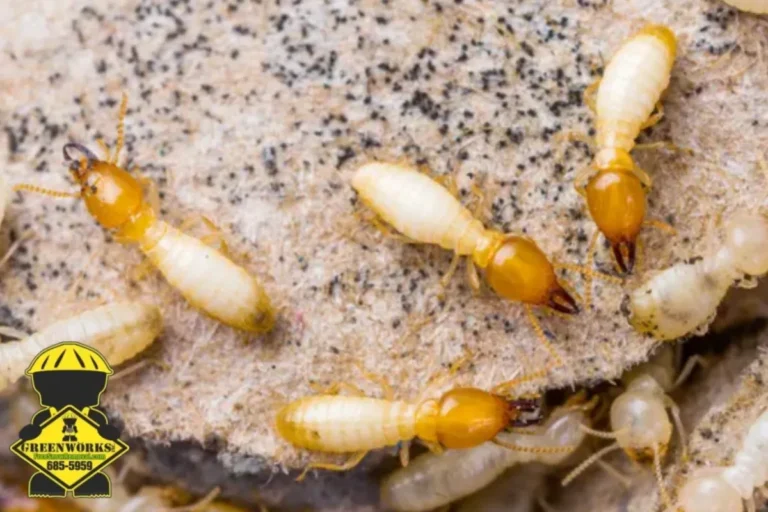
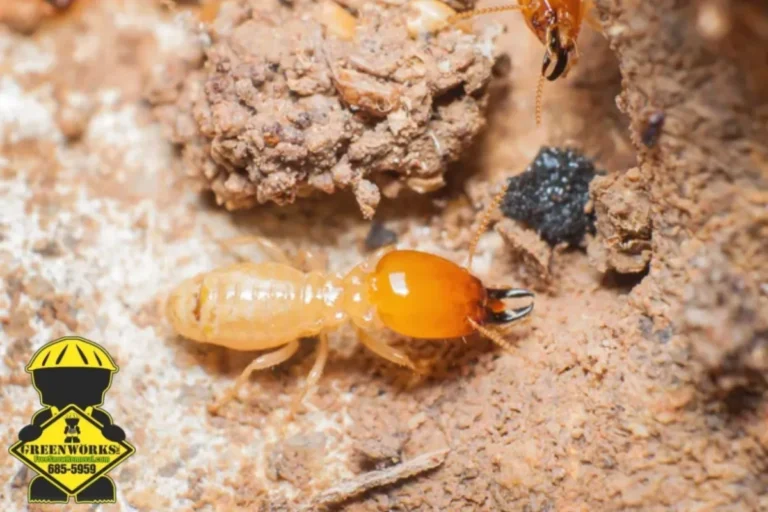
Preventive termite control is far better than waiting for visible damage because termites chew wood silently from the inside out, causing thousands of dollars in structural harm before surface signs ever appear. Proactive measures create a continuous defense perimeter that stops subterranean colonies before they reach your foundation. Taking action early preserves property equity, avoids costly repairs, and costs significantly less than fixing structural timber later.
Few things stress a property owner more than discovering soft flooring, sagging drywall, or hollow support beams. When people notice these red flags, the damage is rarely new. Termites feed on wood cellulose around the clock without taking breaks.
Waiting to see visual evidence before taking action is an expensive gamble. Standard homeowners insurance policies treat termite activity as routine maintenance, meaning owners pay for structural repairs completely out of pocket.
Investing in proactive termite control builds a protective shield around your foundation line. Here is a clear breakdown comparing preventive methods with reactive repairs, along with a look at how trained professionals safeguard your property.
Preventive Control vs. Reactive Repairs: Cost & Risk Analysis
Comparing preventive protection to reactive repair work highlights major differences in overall cost, safety, and home value. Pest control in Tampa focuses on preventing wood-destroying insects before they cause costly damage, whereas reactive fixes often involve extensive carpentry repairs and structural restoration.
During a recent structural inspection for a family, our team found that subterranean termites had chewed through floor joists beneath their hallway. The homeowners had no idea because the hardwood floors above looked fine on the surface. Setting up early protection years prior would have stopped the colony before it ever touched those support beams.
Here is how early protection compares with waiting for visible signs:
| Feature / Risk Factor | Preventive Termite Control | Waiting for Visible Damage (Reactive) |
| Out-of-Pocket Expense | Low, predictable annual inspection and service fees | High, sudden repair costs for structural timber framing |
| Home Structure | Preserved completely through active perimeter shields | Weakened support beams, subfloors, and wall studs |
| Insurance Coverage | Routine maintenance keeps property secure | Homeowners insurance rarely covers termite damage |
| Detection Timing | Caught early during routine professional audits | Caught late after mud tubes or hollow wood surfaces |
| Real Estate Impact | Documented service history protects property resale value | Mandatory price cuts or failed building inspections |
The Five Steps of a Comprehensive Preventive Termite Defense Strategy
Setting up a long-lasting shield requires more than spraying liquid around the front porch. Tampa pest control professionals use a strategic, step-by-step approach to protect your home by keeping wood-destroying insects away from your foundation and reducing the risk of future infestations.
1. Subterranean Soil Barrier Application & Trenching: Treating Access Points Near the Foundation.
Technicians dig shallow trenches along the foundation line and apply a non-repellent liquid termiticide. This creates an invisible barrier in the soil near plumbing entrances and slab joints where pests usually enter unseen.
2. Perimeter Baiting & Continuous Monitoring: Intercepting Foraging Pests Early.
Tamper-resistant monitoring stations are placed in the ground at regular intervals around the lawn. Foraging termites discover these stations, feed on the bait, and carry active ingredients back to destroy the main nest.
3. Moisture Reduction & Wood Contact Removal: Removing Excess Water and Ground Contact.
Pests need moisture and easy pathways to thrive. Technicians identify leaky outdoor hose spigots, fix poor gutter drainage, and advise owners to keep wooden mulch and landscape timber away from exterior walls.
4. Annual Thermal & Moisture Audits: Checking Hidden Wall Spaces.
Specialists conduct annual audits using thermal cameras and moisture meters to scan behind drywall. These tools detect hidden temperature changes caused by moisture pockets and pest activity long before surface paint blisters.
5. Barrier Maintenance & Warranty Coverage: Maintaining Long-Term Protection.
Soil treatments wear down over time due to rain and yard work. Regular inspections ensure barriers stay strong, giving owners a transferable damage warranty for total peace of mind.
Applying Our [Greenworks Integrated System] to Solve This
At Greenworks, Inc, we do not rely on generic fixes or temporary patches. We rely on over 50 years of experience across the region to deliver a comprehensive approach that protects your property safely and permanently.
Here is how our proprietary [Greenworks Integrated System] works to protect your home:
- Sentricon® Termite Colony Elimination System: We utilize the Sentricon® Termite Colony Elimination System to safeguard your yard. Foraging worker termites feed on discreet in-ground bait stations and carry the active matrix back to the nest, eliminating the entire colony at its source.
- Creating a Barrier Around Your Foundation: We build a physical and liquid defense perimeter along vulnerable foundation entries, preventing subterranean pests from accessing floor joists, subfloors, or wall studs.
- Proven, Science-Backed Methods: Every application combines advanced technology with decades of hands-on field experience to ensure active ingredients work effectively without disrupting your landscaping.
- Over 50 Years of Local Experience: Half a century of regional experience gives our team deep knowledge of local soil types, moisture challenges, and seasonal swarm patterns.
- Tailored Field Knowledge: While conducting an audit for a property in Tampa, our technicians spotted hidden mud tubes running behind a decorative outdoor stucco column, a subtle entry route identified quickly thanks to decades of local fieldwork.
Debunking the Myth: “If You Don’t See Swarmers, Your Home Is Safe”
A common myth among property owners is that a home is completely safe as long as no winged swarmers or mud tubes are visible on exterior walls.
Here is why relying on visual checks alone leads to expensive surprises:
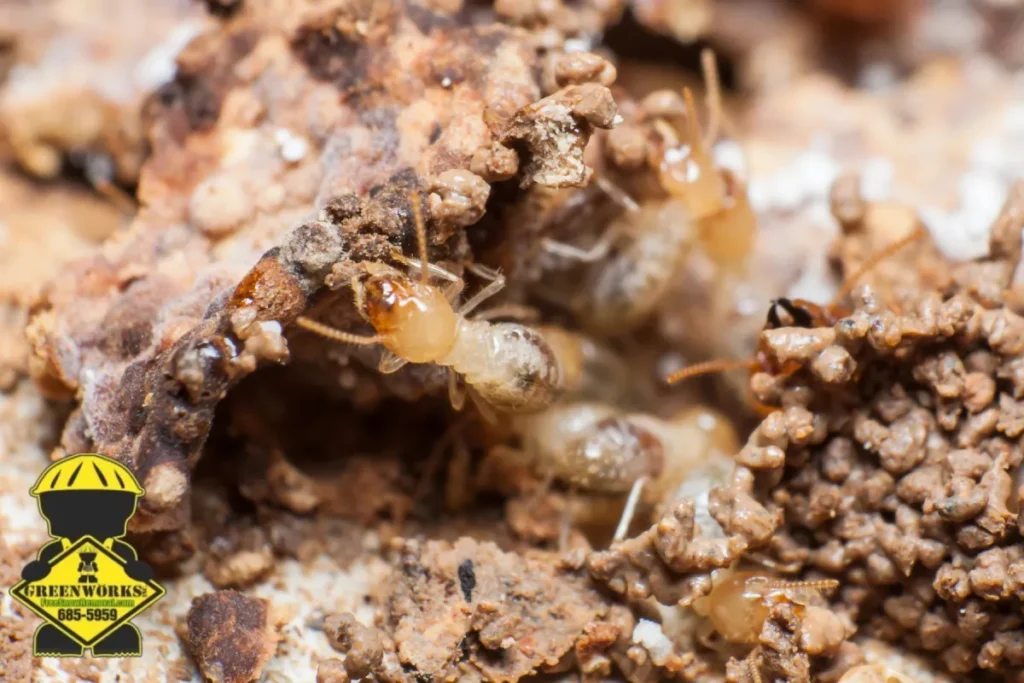
- Termites Feed Hidden Behind Walls: Subterranean pests eat wood framing from the inside out, leaving a thin outer layer intact. Walls can look freshly painted and structurally sound while support studs behind the drywall are completely hollowed out.
- Entry Points Are Often Completely Invisible: Pests can enter a home through foundation cracks as narrow as 1/16 of an inch. These entry points often sit hidden beneath carpet, laminate flooring, or patio slabs where surface mud tubes never form.
- Swarming Is a Sign of an Old Colony: When winged swarmers appear inside living spaces, it means a mature colony has been feeding nearby for three to five years. Swarmers indicate an established problem, not the start of one.
Professional Specifications & Feature Glossary
Understanding industry terms helps you choose the right protection plan for your property:
Non-Repellent Termiticide
A liquid treatment that insects cannot smell or avoid. Pests walk through treated soil, absorb the formula, and spread it to other colony members through natural contact.
Subterranean Termite Bait Station
A locked, in-ground cylinder loaded with dense cellulose material. Foraging workers feed on the bait and carry it back to collapse the main nest.
Exclusion & Deflection
Adjusting physical structures such as separating wood-to-ground contact and installing flashing to block direct pest pathways into building foundations.
Thermal Imaging Audit
A non-invasive inspection method using infrared cameras to locate heat changes and hidden moisture pockets inside wall cavities where pests nest.
People Also Ask (FAQ)
How much does preventive termite control cost compared to repairing damage?
Preventive care costs a small fraction of structural repair work. Annual protection plans offer predictable costs, whereas repairing chewed floor joists, subfloors, and support beams can easily run into thousands of dollars out of pocket.
Will my homeowners insurance cover repairs if I wait for visible damage?
No. Insurance providers view pest damage as a preventable maintenance item rather than an unexpected accident. Property owners bear the full financial responsibility for repairing chewed structural wood.
How do I know if I need professional pest control in Tampa?
If your property has direct wood-to-ground contact, dense garden mulch near the foundation, or hasn’t had an inspection in over a year, contact a specialist. Warmth and humidity allow subterranean colonies to thrive year-round, making reliable Tampa pest control essential for long-term safety.
How often should my property receive a professional inspection?
Properties should undergo a professional inspection at least once a year. Annual checks ensure soil barriers remain intact, bait stations are working, and hidden moisture issues get resolved before pests arrive.
Protect Your Structure Before Damage Begins
Waiting for visible signs of structural damage means waiting until costly harm has already occurred. By setting up a proactive preventive shield, you protect your property equity, preserve building materials, and avoid unexpected repair bills down the road.
At Greenworks, Inc, we bring over 50 years of local experience to every property we serve. As a family-owned, community-focused team, we provide clear communication, transparent guidance, and hassle-free service. Our customized defense plans deliver lasting results while keeping your surrounding environment safe.
If you need specialized protection or reliable pest control in Tampa, FL, our certified technicians are ready to assist.
Ready to protect your property investment with an advanced preventive barrier? Contact us today to request your free quote and schedule a thorough property inspection with our local experts!