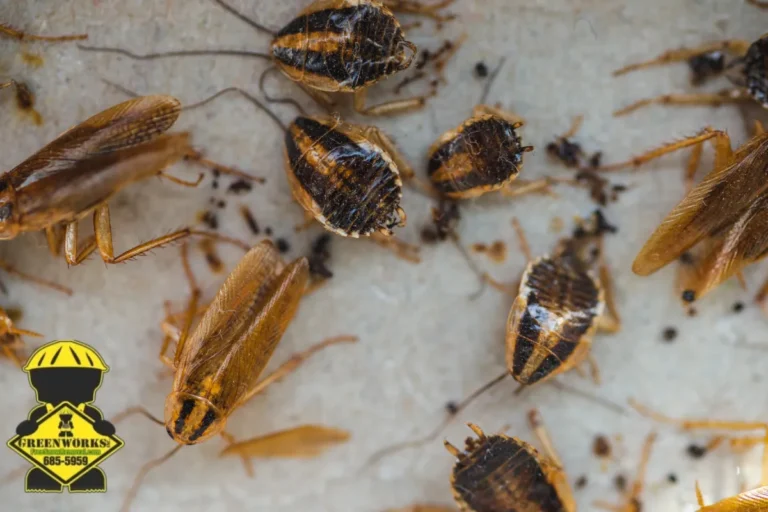
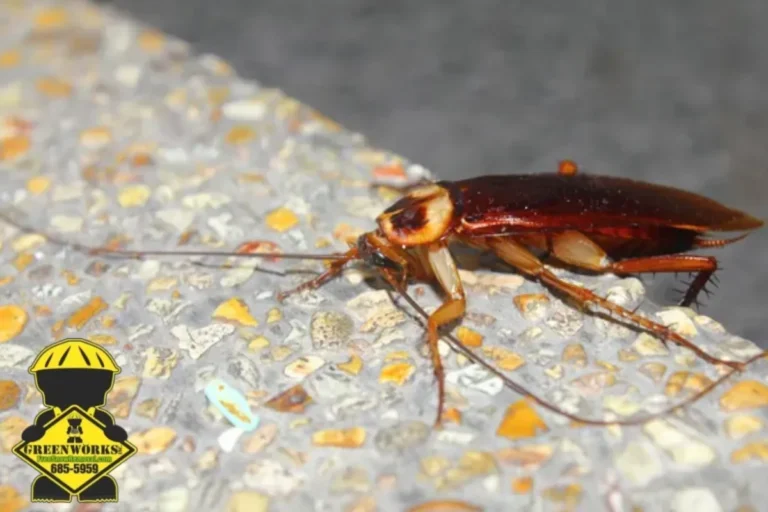
You can tell if you have an infestation that requires professional pest control if you see recurring pest activity during daylight hours, discover physical property damage like chewed wiring or hollowed wood, or notice foul odors and scattered droppings. When insects or rodents breach indoor living spaces and establish breeding nests behind walls, store-bought sprays fail to reach hidden colonies. Professional extermination becomes necessary to eliminate deep-seated nests and permanently seal building entry points.
Spotting an occasional ant or a single stray fly indoors is a normal part of homeownership. However, when isolated bugs turn into a daily sighting, an invisible problem is likely growing behind your drywall or under your floorboards. Most common household pests are nocturnal and naturally avoid human contact, meaning they hide in dark voids until their colonies run out of room.
During a recent inspection for a residential property in Tampa, our technicians discovered a carpenter ant colony hidden inside a master bedroom wall cavity. The homeowner had only noticed a few stray ants near a window baseboard each afternoon, unaware that hundreds of insects were active inside the timber frame. Recognizing the early signs of a severe infestation helps you protect your structure, health, and family before major damage occurs.
DIY Pest Activity vs. Severe Infestation Indicators (Diagnostic Matrix)
Symptom Progression, Property Risk, and Professional Necessity Breakdown
Understanding the difference between an isolated pest encounter and an active breeding colony is essential for taking the right action. The chart below breaks down common signs, property risks, and when expert intervention becomes necessary.
| Observation Category | Isolated Pest Event (DIY Manageable) | Severe Infestation (Professional Required) | Structural & Health Impact |
| Sighting Frequency | Single insect seen near doors or entryways once a week | Multiple live pests seen during daylight hours in living zones | Indicates overpopulated nests pushing pests out of hiding. |
| Droppings & Waste | A few isolated droppings near a trash bin or garage door | Concentrated piles of droppings, smear marks, or urine trails | Contaminates surfaces, food, and air ducts with pathogens. |
| Material Damage | Minor nibbles on open food packaging in a pantry | Chewed electrical wiring, hollow wood, or shredded insulation | Poses major fire hazards, structural instability, and insulation loss. |
| Nesting & Shedding | No visible nesting materials or discarded exoskeletons | Shed skins, egg sacs (oothecae), or fibrous nesting materials | Confirms active breeding colonies reproducing inside the structure. |
| Odors & Sounds | No unusual room odors or wall noises | Musty, oily smells or persistent scratching inside walls/ceilings | Indicates high pest density, biohazard accumulation, and wall infestation. |
Evaluating these warning signs gives you a realistic view of what is happening inside your home. When physical damage or indoor nests appear, professional Tampa pest control is the safest way to restore peace of mind.
Infestation Features & Diagnostic Specifications
Pest Indicators & Physical Damage Diagnostics
Pests leave behind distinct physical traces that reveal where they nest, how they travel, and how large their population has grown.
Focal Dropping Accumulations
Specification: Dark, pellet-like droppings from rodents or small, pepper-like specks left by cockroaches around baseboards and cabinets.
Diagnostic Significance: Concentrated waste piles indicate active travel paths and may show that a feeding or nesting site is established nearby.
Acoustic & Thermal Wall Signals
Specification: Faint rustling, scratching, or clicking sounds heard inside hollow walls, drop ceilings, or attic spaces, particularly at night.
Diagnostic Significance: These sounds can indicate that pests have established nests inside structural cavities rather than simply wandering in from outdoors.
Structural Wood & Wiring Gnaw Marks
Specification: Clean-cut grooves in wooden studs, damaged cardboard boxes, mud tubes along foundation walls, or frayed electrical insulation.
Diagnostic Significance: These signs indicate active structural damage and potential electrical hazards that may require prompt repair and pest exclusion.
Identifying these physical metrics takes the guesswork out of pest management. Noticing these warning signs early allows you to contact pest control in Tampa and address problem areas before pests cause expensive property damage.
Step-by-Step Diagnostic Inspection for Property Owners
4 Steps to Identify a Widespread Infestation
If you suspect pests have invaded your living space, follow these four simple inspection steps to assess the severity of the issue.
- Conduct a Perimeter & Subfloor Audit: Walk along your exterior foundation, checking weep holes, pipe penetrations, door sweeps, and crawl space doors for cracks, grease rub marks, and mud tubes.
- Inspect Dark, High-Moisture Interior Zones: Use a flashlight to check underneath kitchen sinks, behind water heaters, around laundry rooms, and behind major appliances for droppings, shed skins, and egg cases.
- Check Ceiling Cavities & Attic Insulation: Look inside your attic or drop ceilings for flattened insulation paths, chewed roof rafters, shredded paper, or dark urine spots in low-light corners.
- Evaluate Sighting Patterns & Nesting Traces: Keep track of when and where you spot live pests. Seeing nocturnal insects or rodents during daytime hours means hidden nests are overcrowded and competing for food.
Running through this checklist helps you gather clear evidence for your exterminator, ensuring targeted treatment from day one.
Applying Our Integrated Pest Management Approach to Solve This
Advanced Property Remediation with Greenworks, Inc
At Greenworks, Inc, we bring over 50 years of local experience to every property we protect. We understand how local weather, high humidity, and seasonal changes drive pests indoors. Rather than using generic, temporary fixes, our team delivers fast, environmentally friendly solutions for long-term protection tailored specifically to your home.
Our process begins with a thorough inspection of your building envelope, attic, and foundation line. We locate hidden entryways, map out active nests, and identify moisture problems driving pest behavior. Once we understand the full scope of the issue, we design a customized plan that integrates safe, eco-friendly treatments to eliminate pests at the source without exposing your family or pets to harsh chemicals.
We believe protecting your home should be simple and stress-free. That is why we provide clear, upfront pricing with no hidden fees, giving you complete confidence from start to finish. Whether you need reliable pest control in Tampa, FL, for crawling insects, routine maintenance, or specialized treatment, our friendly team is here to guarantee reliability and a seamless experience.
Common Industry Misconception: “If You Only See One or Two Bugs, You Don’t Have an Infestation”
Debunking the Single-Pest Myth
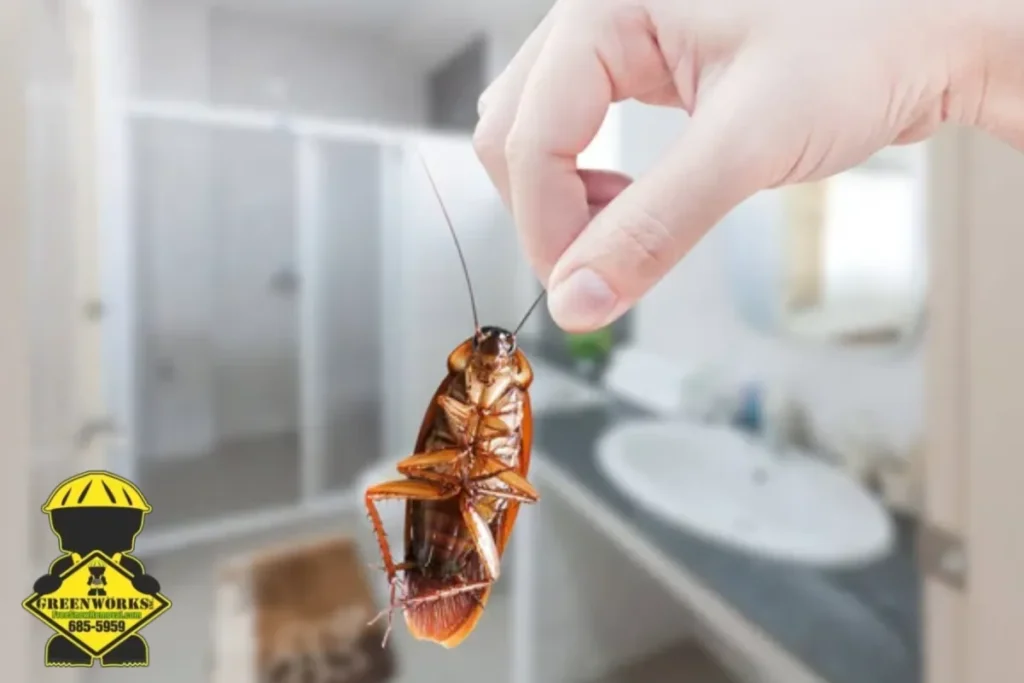
A common myth among homeowners is that seeing a single cockroach, ant, or mouse is just a random occurrence and no reason to worry. In reality, most household pests are shy, nocturnal, and naturally stay out of sight.
By the time a bug or rodent wanders out into an illuminated room during the middle of the day, it usually means hidden wall voids and breeding sites are already packed. A single sighting is often the first visible symptom of a mature colony nesting quietly behind your drywall.
People Also Ask (FAQ)
When should I call a professional exterminator instead of using store-bought traps?
You should call a professional when you notice daily pest sightings, scattered droppings, chewed wires or wood, foul room odors, or scratching noises coming from inside your walls and ceilings.
Can store-bought bug sprays eliminate a hidden pest nest?
No. Store-bought sprays are contact killers that only eliminate the visible pests you spray directly. They do not reach hidden queens, egg sacs, or deep wall nests, which often causes colonies to split and spread further.
How do exterminators find where pests are coming into a home?
Professional technicians inspect exterior foundation seams, rooflines, window seals, utility line penetrations, and crawl spaces for entry gaps, rub marks, and pheromone trails.
Why is professional pest control necessary year-round?
Our warm climate and high humidity keep pests active all twelve months of the year, making continuous perimeter barriers essential for keeping insects out.
Conclusion
Recognizing the warning signs of a hidden infestation allows you to protect your home before minor pest visits turn into major structural damage. From checking dark corners for droppings to listening for noises inside walls, paying attention to early signals keeps your living space healthy and secure.
If you are dealing with persistent bugs or suspect a hidden nest, trust the local experts who have kept Tampa homes comfortable for decades. Our team at Greenworks, Inc is dedicated to providing friendly, eco-friendly service that leaves your space pest-free year-round.
Ready to reclaim your home from unwanted pests? Contact us today to request your free quote and schedule your complete property consultation!