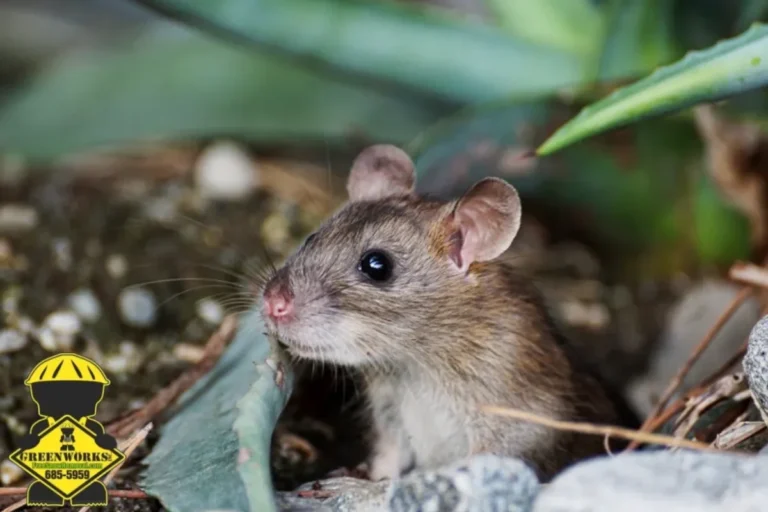
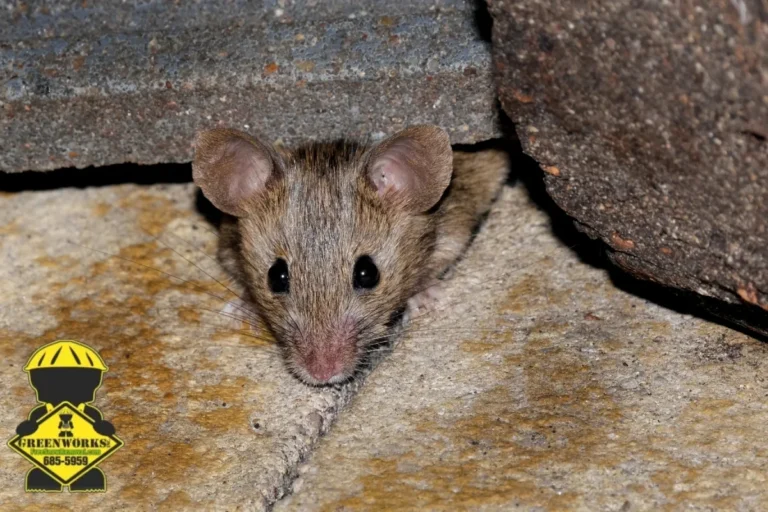
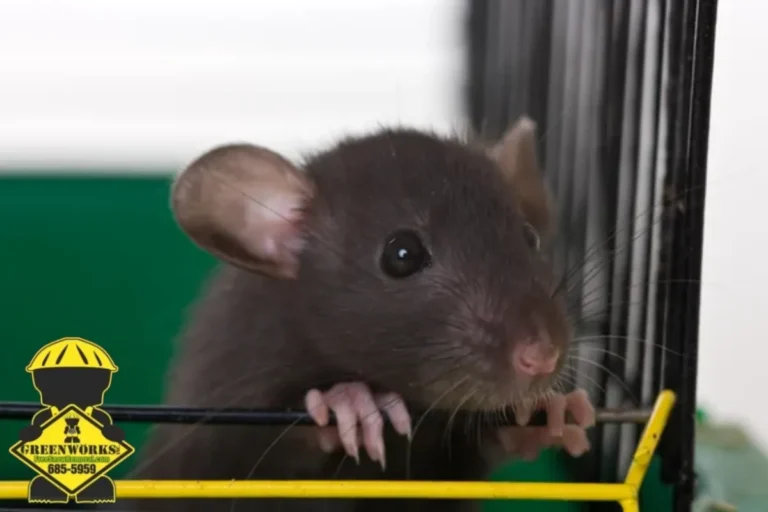
Rodents keep returning after DIY treatment because traps and bait may remove individual mice or rats without addressing hidden nests, entry points, and food sources. To stop recurring infestations, homeowners need to identify how rodents enter, address the full extent of the activity, and monitor the property after treatment.
Catching a mouse in the kitchen can make it seem like the problem is solved. But if you keep finding droppings, hearing scratching, or spotting gnaw marks, other rodents may still be hiding nearby. New ones may also be entering through gaps you have not found.
Understanding why DIY methods fail can help you decide when you need a more thorough approach. Here are seven common reasons rodents return and the steps that can help prevent another infestation.
7 Reasons Rodents Keep Returning After DIY Treatment
1. DIY Traps Only Catch Some Rodents
Traps can catch rodents that pass through the areas where they are placed, but they may not reach animals hiding elsewhere. Mice and rats can nest behind appliances, inside cabinets, above ceilings, and in wall spaces.
Placing a few traps near visible droppings may catch some rodents without addressing the rest of the population. If you continue hearing movement or finding fresh droppings, other animals may still be active.
Effective removal starts with identifying where rodents travel and hide. Trap placement should be based on signs of activity rather than guesswork.
2. Entry Points Are Still Open
Removing rodents inside a building will not stop new ones from entering if access points remain open. Depending on the species, rodents can squeeze through surprisingly small gaps.
Common entry points include:
- Gaps around plumbing and utility lines
- Openings near doors and windows
- Damaged vents and screens
- Cracks around foundations
- Gaps along rooflines and exterior walls
A homeowner may catch a mouse in the kitchen but continue seeing activity because rodents are entering through an opening near a pipe or garage door. Unless these gaps are found and sealed with suitable materials, the problem can return.
An inspection of both the interior and exterior helps reveal access points that may otherwise go unnoticed.
3. Food and Water Sources Continue Attracting Rodents
Rodents need food, water, and shelter to survive. Unsealed pantry items, pet food left out overnight, overflowing garbage bins, crumbs, and leaking pipes can make a property attractive to them.
Even small amounts of accessible food can support rodent activity. Outdoor sources, such as fallen fruit and birdseed, may also draw them closer to a building.
To reduce these attractants:
- Store pantry items in tightly sealed containers.
- Clean up food spills and crumbs promptly.
- Avoid leaving pet food out overnight.
- Use garbage bins with secure lids.
- Repair leaking pipes and faucets.
- Remove fallen fruit and other outdoor food sources.
Traps address the rodents themselves, but removing easy access to food and water helps make the property less inviting.
4. Hidden Nests Remain Undisturbed
Rodents often build nests in quiet spaces where people rarely look. Common locations include attics, garages, storage rooms, crawl spaces, and areas behind large appliances.
They may use shredded paper, cardboard, fabric, and insulation as nesting materials. If these areas are not inspected, rodents can remain active even after visible animals have been caught.
Look for shredded materials, droppings, gnaw marks, and unusual odors. These signs can help identify areas that need closer attention. Avoid disturbing suspected nests yourself, especially when the area contains droppings or other contamination.
5. Traps and Bait Are Not Used Correctly
Not every trap or baiting method works the same way. Poor placement, inconsistent checks, and choosing an unsuitable method can limit results.
For example, placing a trap in an open area may be less effective than positioning it near a wall or along a route where rodents regularly travel. Bait stations also need to be selected, placed, and checked with care.
Always follow product instructions and keep traps and bait away from children, pets, and non-target animals. A professional can inspect the property and recommend suitable methods based on the type and level of activity.
6. Rodents Reproduce Quickly
A small rodent problem can grow when breeding animals remain on the property. Mice and rats can reproduce several times under favorable conditions, although breeding patterns vary by species and environment.
This is why catching one mouse does not always solve the problem. Other rodents may still be nesting nearby and producing more young.
If you continue finding fresh droppings, hearing movement, or seeing rodents after using DIY methods, an active population may remain. Addressing the full extent of the infestation is more effective than focusing only on the animals you see.
7. There Is No Follow-Up or Ongoing Monitoring
Rodent removal should not end after the first trap catches an animal. Without follow-up checks, you may not know whether the activity has stopped or whether new rodents have entered.
Monitoring helps identify:
- Areas where rodent activity continues
- Bait stations that need attention
- New entry points or signs of damage
- Changes in rodent movement
- Conditions that may attract more rodents
For properties with recurring problems, regular checks can help detect new activity before it becomes a larger concern.
DIY Rodent Control vs. Professional Rodent Control: What’s the Difference?
DIY rodent control methods may help with isolated activity, but recurring infestations often need a more complete approach. Professional services focus on finding the source of the problem, choosing suitable treatment methods, and checking whether those methods are working.
| Comparison Factor | DIY Methods | Professional Services |
| Inspection | Usually focuses on visible signs | Assesses interior and exterior areas |
| Rodent activity | May address individual rodents | Evaluates the extent of the infestation |
| Trap and bait placement | Depends on homeowner knowledge | Based on inspection findings and activity |
| Entry points | Hidden gaps may be overlooked | Potential access points are identified |
| Follow-up | Managed by the property owner | May include follow-up visits and monitoring |
| Prevention | Depends on homeowner efforts | Can include tailored prevention recommendations |
When Is DIY Treatment Appropriate?
DIY methods may be reasonable when you notice isolated activity and can safely manage it. For example, a properly placed snap trap may help catch an occasional mouse.
Always follow product instructions and keep traps away from children and pets. If you are unsure how to handle a rodent or contaminated area, seek professional advice.
When Should You Contact a Professional?
Consider professional help if:
- You keep seeing rodents after setting traps.
- You hear scratching or movement inside walls or ceilings.
- Droppings appear in several rooms.
- You notice gnaw marks on wiring, food packaging, or building materials.
- Rodents are entering areas that are difficult to inspect.
- You cannot identify where the rodents are coming from.
A property inspection can help determine how widespread the problem is and which steps are needed next. If you are looking for an exterminator in Tampa, choose a provider that can assess both the active infestation and the conditions allowing rodents to enter.
How to Tell If Rodents Are Still Active in Your Property
Not every sign means an infestation is still active. However, fresh evidence should not be ignored.
Watch for these common warning signs:
- Fresh droppings: New droppings near food storage areas, cabinets, walls, and travel routes may indicate ongoing activity.
- New gnaw marks: Rodents may chew food packaging, wood, plastic, and electrical wiring.
- Scratching noises: Movement sounds inside walls, ceilings, and floors may indicate rodents are still present.
- Nesting materials: Shredded paper, fabric, and insulation may point to nesting activity.
- Grease marks: Repeated movement along walls can leave dark marks on surfaces.
- Unusual odors: A persistent unpleasant smell in an enclosed space may indicate hidden rodent activity.
- Live sightings: Seeing rodents in several areas may suggest that the problem has not been resolved.
If you find droppings or nesting materials, avoid sweeping or vacuuming them while dry. Follow public health guidance for safe cleanup, including using suitable protective equipment and an appropriate disinfectant.
How to Prevent Rodents From Returning After Treatment
Removing existing rodents is only one part of prevention. Making your property less attractive and closing possible access points can help reduce the chance of another infestation.
1. Seal Potential Entry Points
Inspect areas around doors, windows, utility lines, vents, and foundations. Seal suitable openings with rodent-resistant materials and repair damaged screens or weatherstripping. For large gaps or hard-to-reach areas, consider professional assistance.
2. Remove Food and Water Sources
Keep food in sealed containers, clean up spills, and store pet food properly. Use garbage bins with secure lids and repair plumbing leaks. These simple habits make it harder for rodents to find the resources they need.
3. Keep Storage Areas Organized
Reduce clutter in garages, attics, and storage rooms. Avoid leaving piles of cardboard, paper, and fabric where rodents can use them for nesting. Keep stored items off the floor when practical so you can inspect the area more easily.
4. Maintain Your Outdoor Areas
Trim vegetation near the building, remove fallen fruit, and keep outdoor storage areas tidy. Make sure garbage containers are closed and placed away from building openings when practical.
In Tampa, warm weather and periods of heavy rain can affect conditions around buildings. Check outdoor areas after rainfall for damaged screens, gaps, and other maintenance issues that may need attention.
5. Schedule Regular Monitoring
Continue checking for droppings, gnaw marks, and other signs of activity. If bait stations are part of your service plan, have them inspected and maintained according to the recommended schedule.
Applying Our Comprehensive Rodent Protection Approach
At GreenWorks Inc., we address recurring rodent problems through property inspections, customized treatment plans, baiting systems, and ongoing monitoring. This approach is designed to address active rodent activity while helping property owners reduce the conditions that allow infestations to return.
Our service is backed by over 50 years of experience. That experience helps our team assess different property conditions and create a plan based on each customer’s needs rather than relying on the same treatment for every building.
State-of-the-Art Baiting and Monitoring Systems
GreenWorks Inc. uses state-of-the-art baiting and monitoring systems to help manage rodent activity. These systems allow our team to check high-risk areas, monitor activity, and adjust the service plan based on inspection findings.
Tamper-Resistant Bait Stations
We strategically place tamper-resistant bait stations in suitable areas where rodents are likely to travel. These stations help keep bait contained and limit access by children, pets, and non-target animals when properly selected, placed, and maintained.
Our team checks the stations and replenishes bait as needed. Placement may be adjusted when monitoring shows changes in rodent activity.
Environmentally Responsible Treatment Options
GreenWorks Inc. describes its treatment approach as environmentally friendly, non-toxic, and designed to minimize environmental impact. The specific products and methods used depend on the property and the level of rodent activity. Any rodent bait must still be handled and used according to its label, with appropriate precautions to protect people, pets, and other animals.
Our goal is to provide a practical treatment plan while considering the needs of the property and its surroundings.
Our Four-Step Service Process
Step 1: Comprehensive Property Inspection
We inspect interior and exterior areas for droppings, gnaw marks, nesting materials, possible entry points, and conditions that may attract rodents. These findings help us create a plan for the property.
Step 2: Customized Interior and Exterior Treatment
We address active rodent areas using suitable methods. This may include strategically placed bait stations in appropriate locations, based on the inspection.
Step 3: Follow-Up Visit When Needed
We check whether the initial service is working, look for new signs of activity, and make adjustments when necessary.
Step 4: Ongoing Preventive Service
For properties with active infestations, our service may include monthly baiting, station inspections, and bait replenishment. As activity declines, the service schedule may transition to quarterly visits, depending on the property’s needs.
We also share practical recommendations, such as keeping landscaping trimmed, securing garbage, and removing food sources. These steps help property owners support the treatment between service visits.
Rodent Control Misconceptions: Does Removing Visible Rodents Eliminate an Infestation?
Myth: If you catch the mouse or rat you see, the rodent problem is solved.
Catching a rodent does not confirm that every animal has been removed. Others may remain hidden in nesting areas, while new ones may enter through gaps around the building.
A complete treatment plan should consider:
- Whether other rodents remain inside the property
- Where rodents are nesting or traveling
- Whether entry points are still open
- Whether food and water sources are available
- Whether follow-up monitoring is needed
The number of rodents caught is only one measure of progress. Checking for new signs of activity and addressing the conditions that attract rodents are also important.
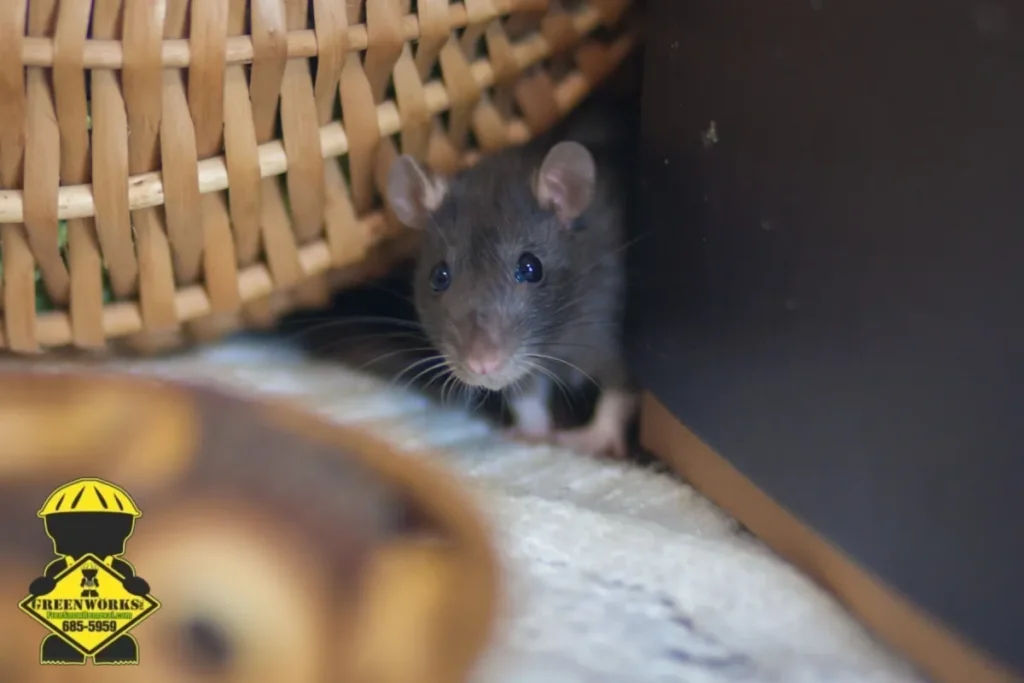
People Also Ask: Common Questions About Rodents Returning
Why do I still have mice after using traps?
Traps may catch individual mice without removing hidden rodents or addressing entry points. If you continue finding droppings or hearing movement, there may still be an active infestation.
How long does it take to get rid of a rodent infestation?
The timeline depends on the number of rodents, their nesting locations, property conditions, and the treatment method. Follow-up inspections help determine whether additional control is needed.
Can rodents come back after professional treatment?
Yes. Rodents may return if entry points remain open or food and shelter are still available. Sealing gaps, keeping the property clean, and monitoring activity can help reduce this risk.
Are rodent bait stations better than traditional traps?
They serve different purposes. Traps are designed to capture individual rodents, while bait stations support a controlled baiting and monitoring plan. The right option depends on the property’s needs and the level of activity.
How much does professional rodent control cost?
The cost depends on property size, infestation severity, treatment needs, and whether ongoing monitoring is required. An inspection can help determine an appropriate service plan and estimate.
Stop Rodents From Coming Back With GreenWorks Inc.
Repeatedly buying traps and bait can become frustrating when rodents keep returning. The next step is to find out why the problem continues. Hidden nesting areas, open entry points, and accessible food sources can all contribute to recurring activity.
GreenWorks Inc. brings over 50 years of experience to customized pest management for homes and businesses. Our team inspects your property, explains the recommended service, and builds a plan around your needs.
If DIY methods have not provided lasting results, contact GreenWorks Inc. for a free quote or consultation. Our team can discuss Tampa pest control options, inspect your property, and recommend a practical plan for managing rodent activity.
For dependable pest control in Tampa, FL, choose a team that values clear communication, tailored service, and environmentally responsible solutions.
Contact us today to request your free estimate and take the next step toward a rodent-free property.