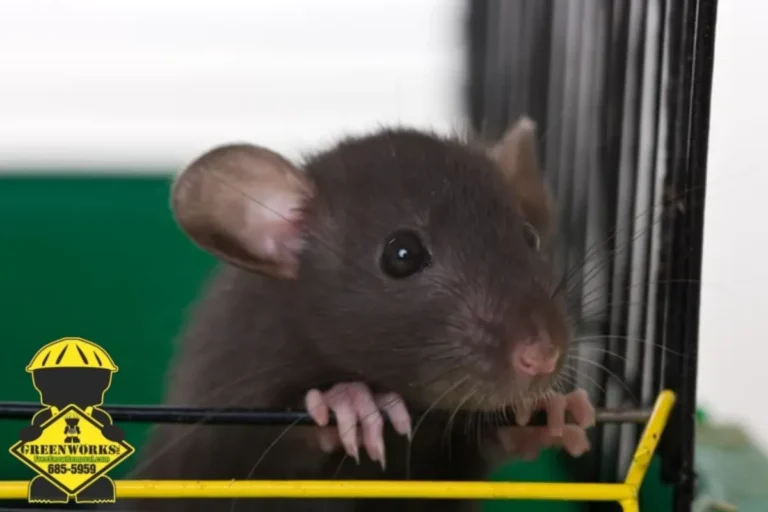
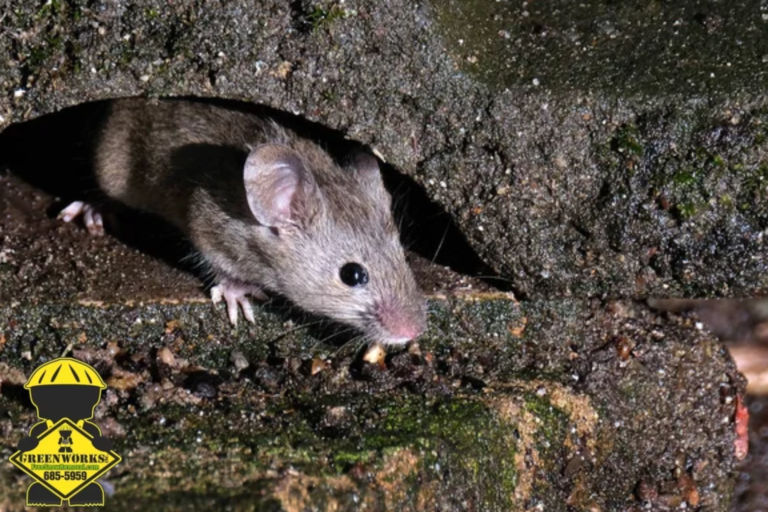
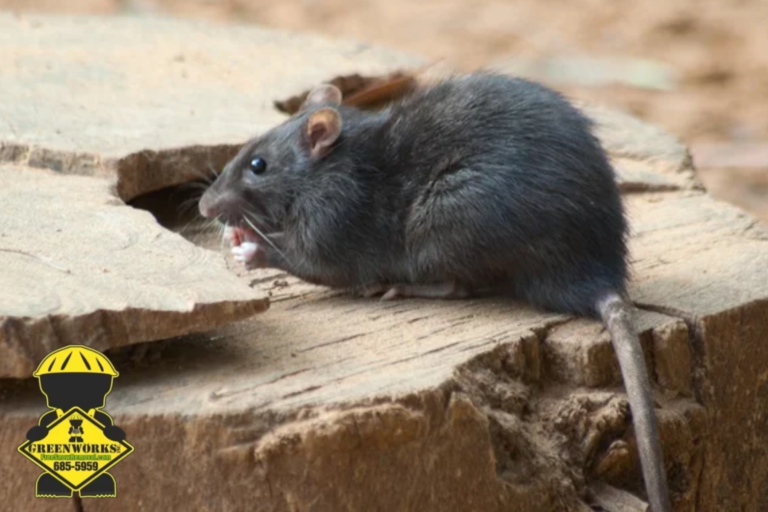
To identify early warning signs of a rodent infestation in attic insulation, look for compressed nesting “bowls,” tunnels leading into the material, and dark fecal droppings (3-6mm). Check for a distinct ammonia-like odor and soiled yellow staining on top of the insulation, which indicates active pheromone trails and nesting sites.
Hidden Rodent Damage in Attic Insulation
Finding rodents in your attic is more than just a nuisance; it is a direct threat to your home’s air quality and energy efficiency. Most homeowners don’t realize they have a problem until the damage is extensive because rodents are masters of “biological stealth.” They use your attic insulation as both a nesting ground and a highway, creating complex tunnel systems that degrade the R-value of your home’s thermal envelope.
During a recent audit for a client in a beautiful Wesley Chapel neighborhood, we discovered that while the home looked perfect from the curb, the attic insulation was a labyrinth of rodent activity that had been hidden for months. This is why vigilance is key.
Identifying Rodent Activity: A Comparison of Physical Signs
When you step into your attic, you need to know exactly what you are looking at. Not all “bumps in the night” are the same, and different pests require different strategies. If you suspect you need a reliable exterminator in Wesley Chapel, FL, start by identifying these specific markers:
| Sign | Mouse Infestation | Rat Infestation | Squirrel Activity |
| Dropping Size | Small, pointed (3-6mm) | Large, blunt (12-19mm) | Rounded, often clustered |
| Insulation Damage | Fine “shredding” of paper | Deep, 2-inch wide tunnels | Large, hollowed-out “bowls.” |
| Pheromone Odor | Sharp, ammonia smell | Heavy, musky/stale odor | Faint, earthy scent |
| Nesting Material | Scraps of paper/fabric | Coarse insulation & twigs | Leaves, twigs, and cardboard |
5 Steps to Inspect Your Attic Insulation Without Disturbing the Colony
A reckless inspection can spread pathogens like Hantavirus or drive rodents deeper into wall voids where they are harder to reach. When we perform pest control services in Wesley Chapel, we follow a strict safety protocol. You can use these same steps for a preliminary DIY check:
- Visual Perimeter Check: Search the attic edges where the floor meets the roofline. Look for “rub marks”, dark, greasy stains left by the oils in rodent fur as they squeeze through tight spaces.
- The Light Test: Use a high-lumen flashlight at a low angle. This “raking light” will highlight the flattened paths, known as runways, across the top of blown-in insulation, which aren’t visible under overhead lighting.
- Identify Entry Points: Look for light peeking through eaves, soffits, or gaps near plumbing stacks. Remember, a mouse only needs a hole the size of a dime to enter your home.
- Listen for Nocturnal Indicators: Spend ten minutes in total silence. Scratching, gnawing, or scurrying sounds often localize the primary nesting site.
- Check for “Thermal Bridges”: Look for areas where insulation has been cleared away down to the drywall. Rodents do this to steal the heat rising from your living space, creating warm “hot spots” for their litters.
Debunking the “Ultrasonic” Myth: Why Sound Devices Fail in Attics
A common industry misconception, and one we frequently see while providing pest control in Wesley Chapel, FL, is that ultrasonic sound emitters are a “clean” way to drive rodents out. In reality, ultrasonic waves follow the laws of physics: they cannot penetrate solid objects.
Beams, rafters, and thick layers of fiberglass create “sound shadows.” While the device might be loud in the center of the attic, the rodents nesting deep inside the insulation or behind a wooden truss hear nothing. Furthermore, rodents are highly adaptable. Within a few days, they habituate to the noise and eventually ignore it entirely. Relying on these gadgets often gives homeowners a false sense of security while the infestation grows unchecked.
Applying our Eco-Barrier IPM Logic to Solve This
At GreenWorks Inc., we don’t just “apply treatment for bugs” or set a few traps. We believe in transparency and sustainability. To handle attic infestations, we apply our proprietary eco-barrier IPM Logic, which focuses on the root cause of the problem.
Our approach is built on four core pillars:
- Year-Round Protection Against Pests: We understand the seasonal shifts in Florida. When the heavy rains come, rodents seek high ground. Our logic ensures your attic is a fortress through every season.
- Local Skill with 50+ Years of Experience: We know the construction styles of homes in the Tampa Bay area. Whether you have a modern build or a classic Florida ranch, we know exactly where the structural weak points are likely to be.
- Customer-First Philosophy: We provide clear communication. If your insulation is soiled, we tell you exactly how much needs to be replaced and why, ensuring you aren’t paying for unnecessary services.
- Hassle-Free Service: Our goal is to handle the mess and the stress. From the initial audit to the final exclusion seal, we make the process seamless for the homeowner.
During a consultation in a Wesley Chapel residential community last year, we used this logic to save a homeowner thousands in insulation replacement costs by identifying the entry point early and neutralizing pheromone trails before the colony could expand.
Why Local Expertise Matters
The Florida climate creates unique challenges. High humidity can trap rodent odors in attic spaces, and the heat can cause pheromones to break down and attract secondary pests like roaches or ants. This is why “general” advice often fails locally. For effective rodent control, you need a team that understands the specific soil, climate, and pest behaviors of the Tampa Bay area. We take pride in being a trusted partner for our neighbors, providing environmentally responsible rodent control services that keep your family secure.
People Also Ask
How much does it cost to remove rodents from an attic?
The cost varies based on the severity of the infestation and the amount of insulation that needs decontamination. A professional audit is the only way to get an accurate quote tailored to your home’s unique footprint.
Can I just seal the holes myself?
While you can, sealing rodents inside your attic can lead to them dying in wall voids, causing severe odor issues. It is best to ensure the rodents are removed before the final exclusion work is completed.
Is rodent-soiled insulation dangerous?
Yes. Rodent waste can harbor bacteria and viruses that can become airborne if the insulation is disturbed. Professional remediation often involves specialized HEPA-vacuum equipment to ensure your home’s air remains clean.
Take Back Your Attic Today
You deserve to feel reassured and confident in the health of your home. Don’t let a minor rodent sign turn into a major structural headache. With over 50 years of experience, our team at GreenWorks Inc. offers personalized, results-driven care your property needs. Our customer-first approach ensures that you receive lasting, visible improvements and a pest-free environment year-round.
Are you ready for a hassle-free solution to your pest concerns?
Contact us today for a free quote or consultation. Let our local experts secure your home and provide the peace of mind you deserve.