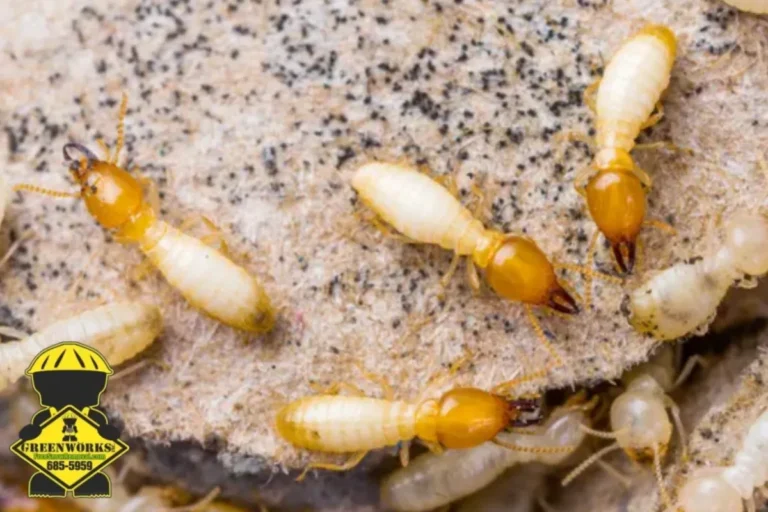
To distinguish between subterranean termite mud tubes and drywood termite fecal pellets, you must examine the texture and location of the debris. Subterranean termites construct earthy, pencil-thick mud tubes on foundations and walls to maintain moisture, whereas drywood termites eject tiny, hard, hexagonal fecal pellets (known as frass) from “kick-out” holes, which often accumulate in piles resembling sawdust or poppy seeds. Correct identification is the critical first step in determining whether your property requires a subterranean soil barrier or a localized drywood treatment.
Comparative Analysis: Identifying the Visual Markers
Understanding the physical characteristics of termite evidence is the first step in protecting your property. While both species consume cellulose, their biological requirements for moisture and habitat create distinct visual signatures that even a novice observer can spot with the right guidance.
In the humid climate of Florida, where termites are a year-round threat, misidentification often leads to ineffective DIY treatments that allow the colony to grow unchecked. During a recent comprehensive property audit in Wesley Chapel, our team discovered that what a homeowner thought was “renovation dust” was actually a significant accumulation of drywood frass. This highlights why professional termite control starts with an expert eye that understands these subtle biological differences.
Subterranean Evidence vs. Drywood Evidence
| Feature | Subterranean Mud Tubes | Drywood Fecal Pellets (Frass) |
| Primary Material | Soil, saliva, and wood particles | Digested wood (fecal matter) |
| Appearance | Textured, “muddy” branching tunnels | Uniform, seed-like grains |
| Location | Foundations, floor joists, drywall | Under furniture, windowsills, or joints |
| Moisture Level | Must remain moist and cool | Completely dry to the touch |
| Color | Light brown to dark tan | Variegated (matches the wood eaten) |
| Tactile Feel | Crumbles into dirt/dust | Gritty and hard, like coarse sand |
Identification Checklist: A Step-By-Step Guide
If you have spotted suspicious debris in your home, follow this diagnostic checklist to narrow down the culprit. Precise pest control in Wesley Chapel, FL, depends on an accurate diagnosis before any product is applied to the structure.
- Examine the Wood Above the Debris: Look for tiny, pin-sized holes in the wood or drywall directly above the pile. Drywood termites use these “kick-out” holes to discard waste; subterranean termites keep their tunnels sealed to maintain humidity.
- The Texture Test: Take a small sample of the material and rub it between your thumb and forefinger. If it smears or turns to dust like dried mud, it is subterranean. If it feels like rolling tiny beads or grains of salt, it is drywood.
- Inspect the Shape with a Magnifying Glass: If you have one, look at the pellets. Drywood pellets have six distinct concave sides that resemble microscopic footballs. Mud tubes have no uniform shape; they are simply dried slurry.
- Trace the Path to the Earth: Follow the structure. Subterranean mud tubes almost always originate from the ground or a moisture source, such as a leak. Drywood evidence is usually “perched” in higher locations, like attic rafters or window frames.
Accurate identification is the specialty of a veteran exterminator in Wesley Chapel, FL, as subterranean termites require ground-level barriers while drywood termites require wood-specific injections or fumigation.
Applying our GreenWorks Integrated Management (GIM) to Solve This
At Greenworks, Inc., we don’t rely on guesswork or generic sprays. We utilize a proprietary approach called GreenWorks Integrated Management (GIM), which combines advanced technology with decades of hands-on experience. Over 50 years of industry experience has taught us that every property in the Tampa Bay region has a unique biological profile dictated by soil moisture and construction type.
Our primary weapon against subterranean invaders is the Sentricon® Termite Colony Elimination System. Unlike traditional liquid barriers that may have gaps or degrade over time, Sentricon® uses science-backed methods and baiting technology that termites prefer over actual wood. The workers carry the bait back to the heart of the colony, achieving total elimination, including the queen, rather than just repelling them to another part of your home.
For drywood termites, our GIM process involves precision localized treatments or whole-structure solutions, depending on the “frass fall” radius we map out during our audit. Using non-invasive thermal imaging and moisture meters, we can “see” through walls to determine whether the fecal pellets form a localized colony or a widespread infestation. This ensures that homeowners across our service areas receive an effective, environmentally responsible solution.
Effective pest control in Wesley Chapel requires this dual-pronged understanding of how different species interact with Florida’s unique humidity and soil conditions.
Debunking the “Inactive Tube” Myth
The Myth: “If a termite mud tube is dry and brittle, the termites have moved on, and the danger to my home is over.”
The Reality: This is a dangerous misconception. Subterranean termites are highly adaptive and may abandon a specific mud tube if it is breached or if they have found a more efficient, internal route to a food source. A dry tube is often just an old “highway.” The colony, which can contain hundreds of thousands of individuals living deep within the soil, remains active. If you find a dry tube, it is a signal that the entry point is already established, and the termites are likely already inside your structural timbers.
Technical Specifications: Termite Sign Characteristics
Mud Tube Diameter
Typically 6mm to 12mm (1/4 to 1/2 inch) in width. These are often described as “pencil-sized,” though “utility tubes” covering large areas can be several inches wide.
Pellet Dimensions
Approximately 1mm to 2mm in length. They are remarkably uniform because they are molded by the termite’s rectal muscles to extract every drop of internal moisture before being discarded.
Pellet Composition
Nearly 100% wood fiber and lignin. Because drywood termites live entirely within the wood they eat, their waste contains no soil, making it distinct from the “dirty” look of subterranean waste.
Tube Composition
A mixture of stercoral matter (feces), pheromones, and imported soil particles. This mixture is “cemented” together with the termites’ saliva to create an airtight seal that protects them from predators.
People Also Ask
Why are my termite pellets different colors?
Drywood termite pellets change color based on the specific type of wood they are consuming. If they move from a pine stud to an oak floorboard, you may see a “salt and pepper” effect in the pile.
Do subterranean termites ever leave pellets?
No. Subterranean termites utilize their waste as a building material for their mud tubes. They do not have “kick-out” holes and do not leave dry piles of frass.
Can I just vacuum up the pellets to stop the infestation?
No. Vacuuming the pellets only removes the evidence. The termites are still inside the wood. Furthermore, vacuuming can make it harder for a professional to locate the active “kick-out” holes needed for treatment.
Is termite behavior different in Florida?
Yes. In 2026, climate shifts have increased the activity window for both species. Termites in the service areas surrounding Tampa are active earlier in the spring and remain active later into the winter than in northern states.
Your Trusted Partner for a Pest-Free Home
At Greenworks, Inc., we understand that finding signs of termites is stressful. Our brand is built on being a professional, approachable, and community-focused partner for homeowners and business owners throughout the Tampa Bay area. With over 50 years of local experience, we pride ourselves on providing clear communication and hassle-free service.
We believe in transparency and sustainability. That is why our decisions are rooted in providing tailored, eco-friendly solutions, such as the Sentricon® system, to ensure your home is protected without unnecessary chemical exposure. We want you to feel reassured and confident, knowing that your property is in the hands of trusted professionals who understand the unique challenges of the Florida climate.
What sets us apart? It’s our results-driven approach. We don’t just treat the symptoms; we eliminate the source. Whether you are dealing with the “muddy” trails of subterranean invaders or the “sandy” piles of drywood termites, we offer the expertise needed to restore your peace of mind.
Take the first step toward a secure, termite-free home. Contact us today for a free quote.
Let us help you schedule an ongoing service plan that keeps your property vibrant, healthy, and protected year-round. Our hassle-free approach to lawn care and pest management ensures you can enjoy your indoor and outdoor spaces without worrying about hidden intruders.