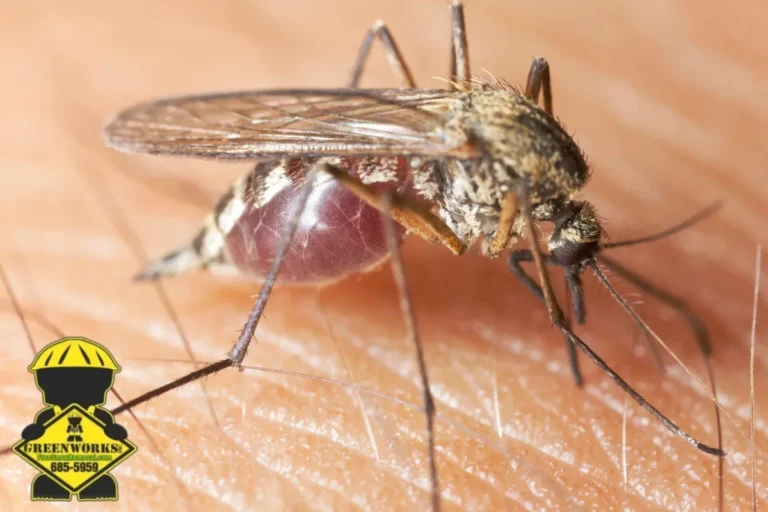
Mosquito control professionals identify hidden breeding sites by inspecting standing water, checking drainage systems, and looking for outdoor items or shaded areas where water collects. They assess mosquito activity, check potential breeding sources, and recommend targeted treatments and prevention steps to help reduce mosquito populations around a property.
Why Are Hidden Mosquito Breeding Sites Difficult to Find?
Mosquitoes can breed in small amounts of standing water, so their breeding sites are not always easy to spot. Water may collect in a plant saucer, a clogged gutter, a bucket behind a shed, or a low spot in the yard. These areas can go unnoticed during regular lawn maintenance.
Rainfall and irrigation can also create new breeding sites. A dry area may hold water after a storm, while a drainage problem can cause water to collect repeatedly. Removing one visible puddle may not solve the problem if other water sources remain.
Adult mosquitoes may rest in shaded, sheltered areas during the day. Seeing them near a patio or garden can help guide an inspection, but it does not necessarily reveal where they are breeding. A proper assessment looks for both mosquito activity and conditions that allow mosquitoes to develop.
Common Signs of a Hidden Breeding Site
| Sign | What It May Indicate | What to Check |
| Standing water after rain | A potential place for mosquito development | Buckets, plant saucers, pool covers, and low spots |
| Larvae in standing water | Possible active mosquito breeding | Containers, drains, and other water-holding areas |
| Frequent mosquito activity in one area | A nearby resting area or possible breeding source | Shaded spaces, vegetation, and nearby water |
| Water that remains after several days | A drainage or maintenance issue | Gutters, drains, and poorly drained sections of the yard |
These signs help identify areas that need attention, but mosquito activity alone does not confirm a breeding site. An inspection should focus on finding water sources and checking for evidence of mosquito development. Seffner pest control professionals can help assess these areas and recommend suitable mosquito control measures.
Where Do Professionals Look for Hidden Mosquito Breeding Sites?
A property inspection should cover more than visible puddles. Professionals look at common water-holding items, drainage systems, landscaping, and less obvious places where water can collect.
Containers and Outdoor Items
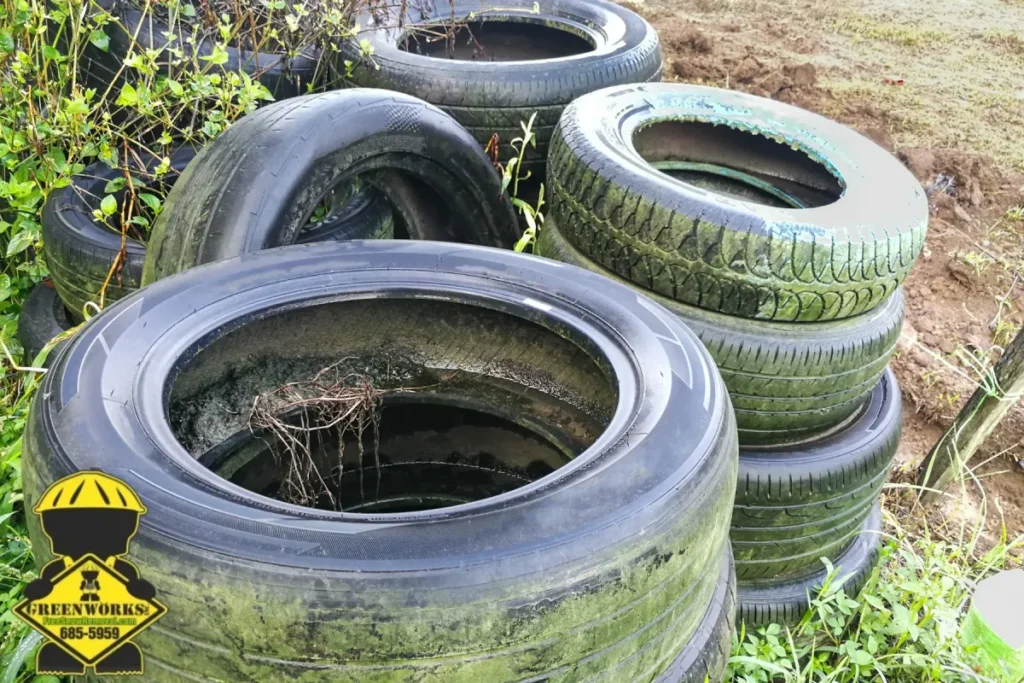
Buckets, flowerpots, watering cans, toys, and unused containers can collect rainwater. Pool covers, tarps, and outdoor furniture may also hold water in folds or low spots.
During an inspection, these items can be checked and emptied or stored in ways that prevent water from collecting. Plant saucers and decorative objects may need regular attention, especially during rainy periods.
Homeowners can help by removing unnecessary containers from the yard and checking outdoor items after rainfall. If an item must remain outside, storing it under cover or positioning it so water drains away may help reduce breeding opportunities.
Gutters, Drains, and Low-Lying Areas
Clogged gutters can hold rainwater, while blocked drains and low areas in the yard may allow water to remain long after a storm. These problems can create recurring conditions that support mosquito breeding.
Professionals look for standing water and signs of poor drainage. Depending on what they find, the next step may involve cleaning gutters, clearing suitable drainage points, or addressing areas where water repeatedly collects.
Fixing the source of the problem can be more useful than treating the same area repeatedly without addressing the underlying cause.
Dense Vegetation and Shaded Spaces
Mosquitoes often rest in sheltered areas with shade and moisture. Dense shrubs, overgrown landscaping, and spaces beneath decks may provide places for adult mosquitoes to hide.
However, shade alone does not make an area a breeding site. The inspection should also look for standing water in nearby containers, hidden objects, and low spots. Trimming overgrown vegetation may improve access and reduce sheltered resting areas, but it does not replace the need to locate water sources.
Less Obvious Water Sources
Some breeding sites are easy to miss because the items are rarely used or are partly hidden. Examples include water trapped in unused equipment, rain-filled pool covers, outdoor storage items, and decorative features that hold stagnant water.
Irrigation systems can also leave pools if sprinklers run too long or direct water toward areas with poor drainage. Checking these less obvious sources helps determine which changes may reduce mosquito activity.
How Does a Professional Mosquito Inspection Work?
A professional inspection follows a practical process to identify likely breeding sites and determine which steps are appropriate for the property.
Step-by-Step Breeding Site Identification
- Assess mosquito activity. Identify where mosquitoes are frequently seen and ask when the problem is most noticeable.
- Inspect water-holding areas. Check containers, gutters, drains, landscaping features, and other places where water may collect.
- Look for signs of mosquito development. Where appropriate, examine standing water for larvae or other evidence of breeding.
- Identify contributing conditions. Look for clogged drainage, recurring water accumulation, and items that repeatedly collect rainwater.
- Recommend targeted action. Suggest removing standing water, improving maintenance, addressing drainage problems, or using suitable control methods.
- Discuss prevention and follow-up. Explain how to reduce future breeding opportunities and whether another assessment may be helpful.
This process helps distinguish a possible breeding area from a confirmed source. It also gives property owners clear steps to take after the inspection.
Visual Inspection vs. Breeding Site Assessment
| Inspection Type | Main Focus | What It Helps Identify |
| General visual inspection | Overall property conditions and visible mosquito activity | Areas that may need closer attention |
| Breeding site assessment | Standing water and signs of mosquito development | Potential or active breeding locations |
| Follow-up assessment | Previously identified areas and continuing activity | Whether water sources remain or further action is needed |
The inspection method depends on the property, the conditions present, and the mosquito problem. Not every property requires the same treatment or follow-up plan.
What Makes Mosquito Breeding Sites Harder to Detect?
Weather and property conditions can change where water collects. An area that appears dry during one inspection may hold water after the next storm.
Rainfall and irrigation: Rain can fill containers, create temporary pools, and reveal drainage problems. Sprinklers may also cause repeated water accumulation if they run too long or spray areas that do not drain well.
Poor drainage and overgrown landscaping: Blocked drains, low spots, and thick vegetation can hide water sources. Clearing debris and correcting drainage issues can make these areas easier to inspect and maintain.
Unused outdoor items: Stored equipment, toys, buckets, and tarps may be overlooked for weeks. Checking them regularly is especially useful after rain.
For homeowners looking for pest control in Seffner, FL, checking these areas after rainfall can help reveal water sources that may not be obvious during routine yard work.
How Can Property Owners Help Prevent Hidden Mosquito Breeding Sites?
Regular outdoor checks can help reduce the places where mosquitoes may lay eggs and develop. These steps are useful between professional visits and after changes in weather.
- Empty standing water. Check buckets, plant saucers, toys, and other containers that collect rainwater.
- Maintain gutters and drains. Remove debris where safe to do so and address recurring blockages.
- Check pool covers and outdoor equipment. Remove collected water and store items so they do not trap rain.
- Maintain water features. Follow suitable care and maintenance guidance for birdbaths, fountains, and other outdoor features.
- Review irrigation systems. Adjust watering schedules and sprinkler direction if they cause water to pool.
- Inspect the yard after storms. Look for filled containers, new puddles, and areas where water remains.
- Seek professional help when needed. If mosquito activity continues or the source is difficult to locate, a professional assessment may help identify the next steps.
Removing standing water can reduce breeding opportunities on your property, but it may not eliminate mosquitoes coming from neighboring properties or other nearby habitats.
Mosquito Control Myth: Treating Adult Mosquitoes Is Enough
The myth: Reducing adult mosquito activity automatically solves the problem.
The fact: Treatments aimed at adult mosquitoes may reduce their numbers, but untreated breeding sites can produce new mosquitoes. A more complete approach considers both current mosquito activity and the conditions that allow mosquitoes to reproduce.
Removing standing water, correcting drainage problems, and managing suitable breeding sites can help interrupt mosquito development. Depending on the property, targeted treatment and additional prevention measures may also be appropriate.
The goal is to identify the conditions contributing to the problem rather than focusing only on the mosquitoes visible at the time.
Applying Our Science-Based Mosquito Control Approach to Solve This
GreenWorks Inc. brings over 50 years of local experience to lawn and pest management in the Tampa Bay area. Its mosquito control program combines property inspections, targeted exterior treatments, and the innovative In2Care® System to address mosquito activity and help disrupt breeding cycles.
Targeted Treatments and Breeding Disruption
GreenWorks Inc. inspects the property for mosquito activity and areas where mosquitoes may rest or breed, including shaded spaces, dense foliage, and locations with standing water. The team then determines which treatment options are appropriate for the property.
Targeted exterior applications focus on selected areas where mosquitoes are active. Breeding disruption methods complement these treatments by addressing conditions or stages of the mosquito life cycle that can contribute to continuing activity.
The exact approach depends on the property and the service plan. Finding and removing standing water remains important because treatments alone cannot correct every source of water accumulation.
How the In2Care® System Supports Prevention
The In2Care® System is a station-based mosquito control approach designed to affect mosquito development. The stations use a larval control agent and a fungus that affects adult mosquitoes. Mosquitoes that visit the stations can help spread the active agents, supporting control beyond the individual station.
This approach differs from a treatment aimed only at adult mosquitoes in the areas where they are seen. It is designed to help disrupt the mosquito life cycle, but results depend on conditions at the property and appropriate use of the system.
GreenWorks Inc. combines this method with targeted treatment applications as part of its broader approach to mosquito management. The system is not a substitute for checking and managing standing water where practical.
Eco-Friendly Treatments and Responsible Product Use
GreenWorks Inc. emphasizes environmentally conscious methods and environmentally friendly and safe pesticides as part of its service approach. Treatment choices should reflect the mosquito problem, the areas being treated, and the product’s approved directions.
No pesticide should be described as completely risk-free in every situation. Customers should follow label directions and the technician’s instructions, including precautions for people, pets, and treated areas. Clear guidance helps customers understand how to prepare for service and what to do afterward.
Advanced Prevention and Ongoing Service
Mosquito activity can change with rainfall, irrigation, and seasonal conditions. For that reason, prevention may involve more than one visit or treatment. Checking problem areas, addressing new water sources, and adjusting the service plan when needed can help manage recurring activity.
For homeowners considering pest control in Seffner, a property-specific plan can help identify where attention is needed and which prevention steps are practical. GreenWorks Inc. focuses on tailored recommendations, clear communication, and environmentally conscious pest management.
People Also Ask About Hidden Mosquito Breeding Sites
How Do Professionals Find Hidden Mosquito Breeding Sites?
Professionals inspect standing water, containers, gutters, drains, landscaping features, and other areas where water may collect. They may also check suitable water sources for larvae or other signs of mosquito development.
Can Mosquitoes Breed in Small Amounts of Water?
Yes. Some mosquito species can develop in small amounts of standing water, including water collected in plant saucers, buckets, and other outdoor containers.
Do Shaded Areas Attract Mosquitoes?
Shaded and sheltered areas can provide resting places for adult mosquitoes. However, shade alone does not confirm a breeding site. Suitable water is generally needed for mosquito development.
How Often Should I Check My Property for Mosquito Breeding Sites?
Check regularly, especially after rainfall or irrigation. Properties with many outdoor containers, drainage problems, or water features may need more frequent checks.
Will Removing Standing Water Eliminate All Mosquitoes?
Removing standing water can reduce breeding opportunities on your property, but it may not eliminate mosquitoes coming from nearby properties or other habitats.
When Should I Contact a Mosquito Control Professional?
Consider professional help if mosquito activity remains high, you cannot locate the source, or recurring drainage and water accumulation issues are difficult to address. A professional can assess the property and recommend suitable control options.
Get Help Managing Mosquito Activity Around Your Property
Hidden breeding sites can keep mosquito problems going even when the yard looks clean. Checking water-holding items, maintaining drainage, and addressing recurring sources can help reduce breeding opportunities.
GreenWorks Inc. combines over 50 years of local experience with customized pest management, targeted exterior treatments, and the In2Care® System. If mosquitoes continue to affect your outdoor spaces, our services can help you discuss suitable options for your property.
Contact us today to request a free quote or consultation and learn more about our mosquito control services. The team can help you explore a plan tailored to your property and mosquito control needs.