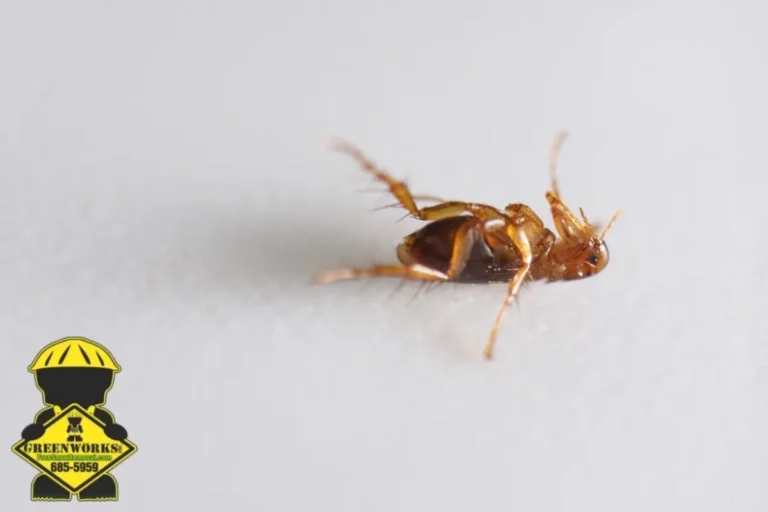
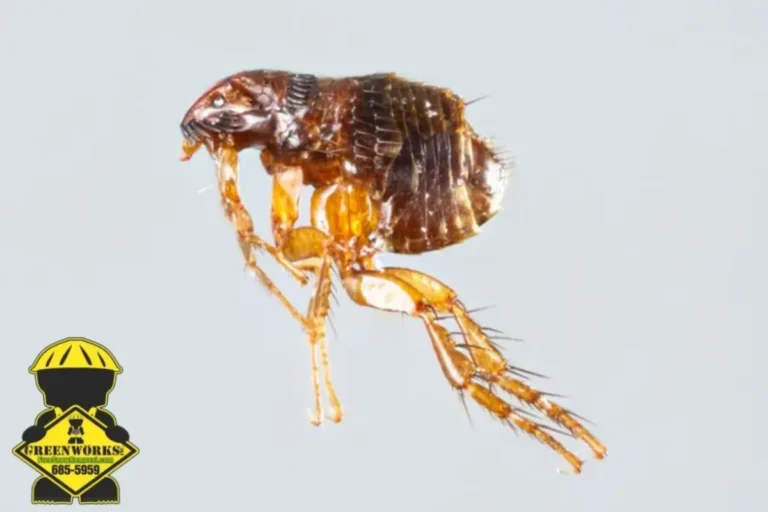
Professional flea control treatment can start reducing adult flea activity soon after application, but eliminating an active infestation may take several days to several weeks. The timeline depends on the severity of the infestation, the treatment used, and whether fleas continue to emerge from protected pupae. Cleaning, proper pet care, and follow-up treatment when needed can help bring the problem under control.
How Long Does Professional Flea Control Take to Work?
Seeing fleas after treatment can be frustrating, especially when you have already cleaned your home. However, a few remaining fleas do not always mean the treatment has failed.
Fleas develop through several life stages, and some are harder to reach than others. Effective flea control targets adult fleas, but pupae inside protective cocoons may survive and emerge later. This is one reason an established infestation can take time to resolve.
What to Expect After Treatment
The results depend on the treatment used, the areas treated, and how widespread the infestation is. Here is a general guide to what you may notice:
- Immediately after treatment: The application begins working according to the product label. Some fleas may still be visible.
- During the first few days: Adult flea activity may decrease, although new fleas can emerge from protected pupae.
- Over the following weeks: Continued cleaning, pet care, monitoring, and follow-up measures may help address fleas that emerge after the initial application.
- As activity declines: Checking affected areas and following prevention advice can help reduce the risk of another infestation.
This is a general timeline, not a guarantee. A widespread infestation may take longer to manage than a smaller one, and the expected results depend on the treatment plan.
Why You May Still See Fleas After Treatment
Several factors can explain why fleas remain visible after an application:
- Protected pupae: Fleas developing inside cocoons may be less affected by some treatments and can emerge later.
- Untreated areas: Eggs, larvae, and pupae may remain in carpet edges, cracks, furniture, and places where pets rest.
- Ongoing activity on pets: Animals can bring adult fleas back into the home if their prevention needs are not addressed.
- Outdoor flea activity: Suitable areas where pets or other hosts rest may contribute to continued flea activity.
- A large infestation: An established flea population may require more extensive treatment and monitoring.
If you continue seeing fleas, contact your Odessa pest control provider before arranging another application. A technician can help determine whether new fleas have emerged, whether additional areas need attention, or whether a follow-up visit is appropriate.
What Factors Affect How Quickly Fleas Are Eliminated?
There is no single timeline for every infestation. The following factors can affect how quickly treatment brings the problem under control.
Severity of the Infestation
A few fleas in one room may be easier to manage than an infestation spread throughout a home. When activity reaches carpets, upholstered furniture, pet bedding, and other resting areas, more preparation and treatment may be necessary.
| Infestation level | Common signs | What may be needed |
| Light | Occasional flea sightings in a limited area | Targeted treatment and monitoring |
| Moderate | Repeated sightings around pet resting areas or in several spots | Broader treatment coverage and continued checks |
| Severe | Frequent sightings across multiple rooms or affected outdoor areas | More extensive preparation, coordinated pet care, and possible follow-up |
These descriptions are general examples rather than a formal diagnostic scale. An inspection can help establish where fleas are active and what treatment is appropriate.
The Flea Life Cycle
Fleas pass through four life stages, which helps explain why treatment may not eliminate every flea at once.
- Egg: Adult fleas lay eggs that can fall from pets into carpets, bedding, and other areas.
- Larva: Larvae develop in sheltered places where conditions and food sources are suitable.
- Pupa: Fleas develop inside cocoons that can protect them from some environmental conditions and treatments.
- Adult: Adult fleas emerge and seek a host, such as a pet or another suitable animal.
Removing visible adult fleas does not necessarily mean every flea in the environment has been addressed. Treatment needs to account for the affected areas, while household cleaning and appropriate pet care help manage the remaining sources of activity.
Indoor and Outdoor Flea Activity
Inside a property, fleas may be found in carpets, upholstered furniture, pet bedding, and floor cracks. Outside, they may be present in shaded areas where pets rest or where suitable hosts spend time.
For homeowners seeking pest control in Odessa, FL, identifying where flea activity occurs can help determine whether interior treatment, exterior treatment, or both may be appropriate. The treatment plan should focus on the affected areas rather than assuming every part of the property needs the same application.
Pet Care and Household Preparation
Pets can contribute to recurring flea activity. If an animal continues to carry fleas, the home may become infested again even after the indoor environment has been treated.
Speak with a veterinarian about suitable flea prevention for each pet. Never apply a household pest control product directly to an animal unless the product is specifically labeled for that use and the directions permit it.
Preparing your home is also important. Follow your technician’s instructions about cleaning, moving items, washing bedding, and keeping people and pets away from treated areas. These steps support the treatment plan and help you follow the necessary safety precautions.
What Is the Difference Between One-Time Treatment and Ongoing Flea Prevention?
One-time treatment and ongoing prevention serve different purposes. The right option depends on the current infestation, the property, and the likelihood of continued flea activity.
| One-time flea treatment | Ongoing flea prevention |
| Focuses on an existing flea problem | Helps manage recurring or continuing activity |
| Treatment is based on the current infestation | Service may be adjusted to the property’s needs |
| A follow-up visit may be recommended | Scheduled visits or monitoring may be included |
| May not address every flea life stage in one visit | Works alongside cleaning and appropriate pet care |
A one-time service does not guarantee that fleas will never return. Ongoing prevention may be useful when conditions continue to support flea activity, but the need for repeat service should be based on the property and the provider’s recommendations.
When Is Follow-Up Treatment Needed?
A follow-up visit may be appropriate if flea activity continues, newly emerged fleas appear, or the technician determines that another application is necessary. The timing depends on the treatment product, its label instructions, and the results of the initial service.
Avoid applying additional products too soon or combining treatments without professional guidance. Using more product does not automatically make treatment faster or more effective.
How Can You Help Treatment Work More Effectively?
Household steps can support professional treatment and help reduce conditions that allow fleas to persist.
- Vacuum affected areas: Focus on carpets, rugs, upholstered furniture, and places where pets rest. Ask your technician when to vacuum after treatment.
- Wash pet bedding: Follow the care instructions for bedding and other washable items that pets use regularly.
- Coordinate pet care: Ask a veterinarian about appropriate flea prevention for your animals.
- Follow preparation instructions: Complete the cleaning and preparation steps recommended before service.
- Observe re-entry instructions: Keep people and pets away from treated areas for the period specified by the product label and service provider.
- Monitor flea activity: Keep track of where and when you see fleas so you can give your technician useful information.
- Address outdoor sources when needed: If fleas are active outside, ask whether the affected areas need to be included in the treatment plan.
These steps can support the treatment process, but they may not be enough on their own when an infestation is widespread or difficult to manage.
Flea Control Myth: One Treatment Always Eliminates Every Flea
The myth: One application should remove every flea immediately.
The fact: Treatment may reduce adult flea activity, but an established infestation can take longer to control. Fleas inside protective cocoons may emerge after the initial application, and activity can continue if pets or untreated areas remain a source.
The best approach is to follow the treatment plan, complete the recommended cleaning steps, coordinate pet prevention with a veterinarian, and report continued activity to your provider. Additional treatment may be needed, but it should be guided by the product instructions and a professional assessment.
Applying Our Customized Flea Treatment Approach to Solve This
GreenWorks Inc. brings over 50 years of experience to pest control and offers customized flea treatment plans based on each property’s needs. Rather than relying on the same approach for every infestation, the team assesses affected areas and recommends suitable interior or exterior treatment options.
How GreenWorks Inc. Approaches an Active Flea Infestation
- Inspect affected areas: A pest control specialist assesses flea activity and identifies areas that may need treatment.
- Develop a customized plan: The recommended approach reflects the property’s conditions and the extent of the infestation.
- Apply targeted treatment: Treatment is applied to appropriate areas according to product directions.
- Review the results: If flea activity continues, a follow-up visit may be recommended.
- Discuss prevention: The team explains practical steps customers can take to help reduce recurring activity.
Why Customized Treatment Matters
A home with fleas concentrated around one pet’s bedding may need a different approach from a property with activity across several rooms and outdoor areas. Identifying these differences helps determine where treatment is needed and what steps may help prevent a recurring problem.
GreenWorks Inc. offers customized flea treatment plans, safe and environmentally conscious pest control methods, and long-lasting treatments. Treatment selection depends on the property and the infestation, and results vary. Customers should follow product label directions and the technician’s instructions, including any requirements for keeping people and pets away from treated areas.
For homeowners considering pest control in Odessa, understanding the treatment process can make it easier to prepare the property and know what to expect after service. GreenWorks Inc. can explain the recommended approach, provide preparation guidance, and advise when a follow-up assessment may be appropriate.
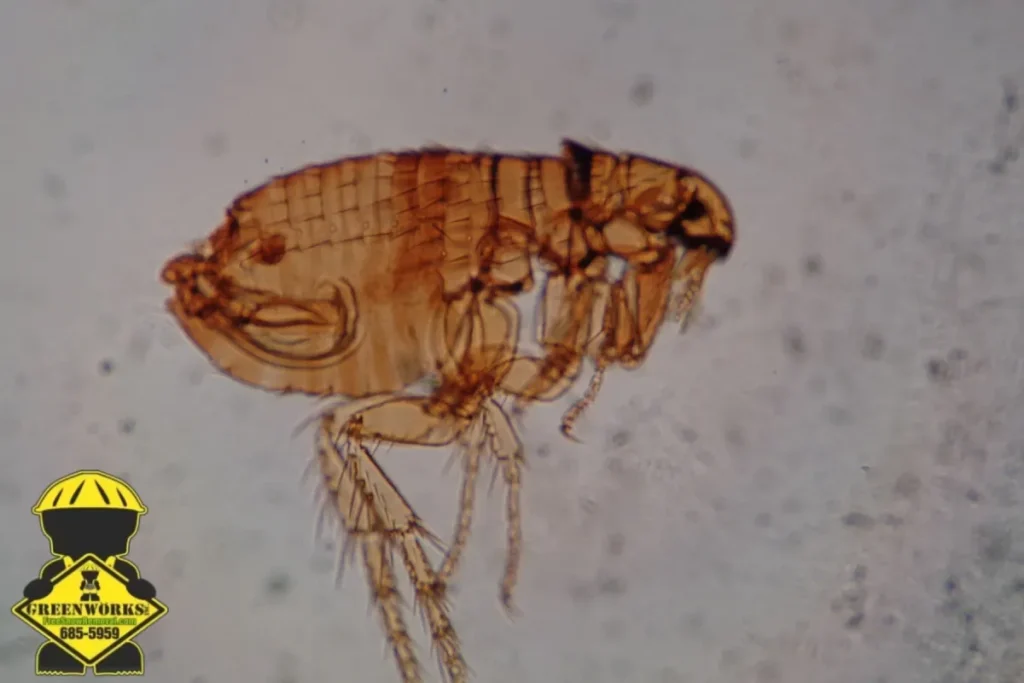
People Also Ask About Flea Control Treatment
How Many Days Does It Take for Flea Treatment to Work?
Treatment may begin reducing adult flea activity soon after application, but managing an infestation can take several days to several weeks. The timeline depends on the treatment used, the severity of the problem, and whether protected pupae continue to emerge.
Why Am I Still Seeing Fleas After Professional Treatment?
Fleas may still appear because pupae can remain inside protective cocoons and emerge later. Untreated pets, missed areas, and outdoor activity may also contribute to continued sightings. Contact your provider if activity persists so they can assess the next step.
Does One Flea Treatment Get Rid of All Fleas?
Not always. One treatment may reduce flea activity, but an established infestation may require continued monitoring, household cleaning, appropriate pet care, or a follow-up visit.
Should I Vacuum After Flea Treatment?
Follow your technician’s instructions and the product label. Vacuuming can help remove flea eggs and debris, but the recommended timing after treatment varies depending on the treatment used.
When Should I Call a Professional for Flea Control?
Consider professional help when fleas continue appearing despite cleaning and pet care, activity spreads across several areas, or the infestation becomes difficult to manage. A technician can assess the affected areas and recommend suitable treatment options.
Get Help With an Active Flea Infestation
Flea infestations can take time to resolve because fleas develop through several life stages. The right treatment plan depends on the extent of the problem, the affected areas, and whether additional steps are needed.
With over 50 years of experience, GreenWorks Inc. provides customized treatment plans and clear guidance to help customers address flea problems. If you are dealing with recurring activity, our services can help you discuss suitable options for your property.
Contact our team to request a free quote or consultation. You can also learn more about our flea control services and discuss a treatment plan tailored to your needs.