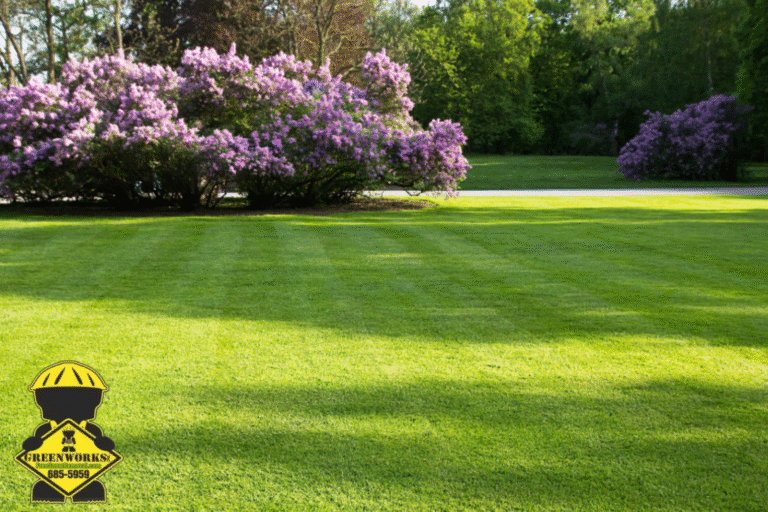
To keep your grass vibrant, thick, and healthy, you should fertilize your lawn 2 to 4 times per year, depending on your specific grass type and regional climate conditions. The ideal approach spaces applications roughly 6 to 8 weeks apart during your turf’s peak active growing seasons, such as spring and fall for cool-season grasses, or late spring through summer for warm-season varieties. Consistently sticking to this timeline gives your root system a steady flow of nutrients without triggering accidental fertilizer burn.
The Seasonal Fertilization Schedule
The ideal frequency for feeding your yard changes based on whether you are managing cool-season turf (like Fescue or Bluegrass) or warm-season turf (like Bermuda, St. Augustine, or Zoysia). Because different grasses have different seasonal growth spikes, their nutritional demands peak at completely separate times of the year. Following a proper lawn fertilization schedule based on your grass type helps promote steady growth, healthier roots, and better overall turf performance throughout the seasons.
Cool-Season Grass Feeding Timeline (2–4 Times Annually)
Cool-season grasses thrive when temperatures are mild. Their primary growth periods occur in the spring and autumn, meaning your feeding schedule must maximize these windows.
- Early Spring (March/April): Apply a light layer of nutrients to help the grass recover from its winter dormancy phase. This should occur right as soil temperatures consistently reach 55°F.
- Late Spring (May/June): A secondary light feeding prepares the turf for summer stress. It helps rebuild energy reserves that were exhausted during the rapid spring growth spurt.
- Early Fall (September): This is the most crucial application of the entire year for cool-season yards. It repairs summer heat damage, fills in bare patches, and sparks dense root development.
- Late Fall (November): Often called a winterizer treatment, this late-season feeding focuses on storing vital carbohydrates directly in the root system so the lawn greens up rapidly when the next spring arrives.
Warm-Season Grass Feeding Timeline (3–4 Times Annually)
Warm-season varieties love intense heat and sunshine. Their feeding schedule focuses exclusively on the late spring and summer months when the grass is growing at full speed.
- Late Spring (April/May): Wait to apply nutrients until the lawn completely breaks its winter dormancy and has been mowed at least twice. Feeding too early can accidentally feed remaining winter weeds instead of your grass.
- Mid-Summer (June/July): This application provides the fuel needed to sustain rapid turf expansion, maintain a rich green color, and withstand long days of heavy sun exposure.
- Late Summer (August): A late summer feeding helps your yard maintain structural blade density and natural resistance against surface insects during the hottest weeks of the season.
- Early Fall (September/October): A final potassium-heavy feeding builds excellent winter hardiness and root strength before the grass goes dormant for the colder months.
Comparing Fertilizer Types: Quick-Release vs. Slow-Release
How often you need to treat your yard depends heavily on the chemical delivery mechanism of the products you choose. Knowing how these options behave in the soil helps you avoid over-treating or under-treating your property. Working with a Brandon pest control professional can help ensure treatments are applied at the proper intervals for effective, long-lasting protection.
| Fertilizer Feature | Quick-Release Synthetic Blends | Slow-Release Coated Formulas |
| Nutrient Delivery Rate | Immediate; completely dissolves into the soil within 1 to 2 weeks. | Gradual; steadily releases nutrients over a span of 6 to 10 weeks. |
| Application Frequency | Requires more frequent, low-dose treatments (every 4 to 6 weeks). | Requires fewer annual treatments overall (every 8 to 10 weeks). |
| Risk of Leaf Burn | High temperatures can chemically scorch grass blades if not watered in immediately. | Extremely low; safe to use even during hotter weather conditions. |
| Environmental Protection | Higher risk of washing out of the root zone during heavy rainstorms. | Stays bound to soil particles for reliable, long-term root access. |
Decoding Fertilizer Specifications: The N-P-K Ratio
When you look at a commercial bag of fertilizer, you will always find three bold numbers printed on the packaging (for example: 20-5-10). These specifications are known as the N-P-K ratio, representing the percentage of three macronutrients that dictate how the product changes your lawn:
- Nitrogen (N): This macronutrient is the main driver behind rapid leaf growth and vibrant, dark green blade color. Blends heavy in nitrogen are common during active spring growing spurts.
- Phosphorus (P): This element stimulates deep, vigorous root architecture. It is an essential component for newly seeded lawns or late autumn applications aimed at long-term structural health.
- Potassium (K): This component enhances overall cellular strength, water retention, and disease resistance. It acts like an insurance policy, protecting your yard against harsh environmental stresses like extreme cold, heat, or drought.
Debunking the Industry Myth: “More Fertilizer Means a Greener Lawn”
A common and highly damaging myth in the lawn maintenance industry is that doubling the amount of fertilizer you apply will leave you with a yard that is twice as green and healthy. In reality, over-fertilization damages turf. When you apply too much nitrogen, it forces the top of the grass to grow at an unnaturally fast speed. The root system cannot keep up with this explosion of foliage, leaving you with weak, spindly blades that easily succumb to fungal diseases and foot traffic.
Furthermore, excess synthetic salts build up directly within the soil structure. Over time, these salts pull moisture completely away from the roots, creating a toxic condition known as fertilizer burn. When it comes to cultivating a resilient yard, sticking to a moderate, well-timed schedule will always outpace random, heavy chemical applications.
During a recent property inspection in Brandon, our team discovered that severe patchiness and yellowing were not caused by a lack of water, but rather by the homeowner over-applying high-nitrogen retail products in an attempt to force rapid green-up. Situations like this highlight why homeowners often benefit from professional pest control in Brandon, FL, as healthy lawns require a balanced approach that addresses both nutrient management and pest-related stress.
Applying Our Greenworks Treatment Philosophy to Solve This
At Greenworks, Inc, we know that generic, off-the-shelf lawn schedules do not work for local soil and climate conditions. Our team treats your outdoor spaces with an approach that is highly professional, approachable, and community-focused. We don’t believe in pushy sales pitches or confusing technical jargon; we believe in educating our clients and delivering sustainable, visible results.
To eliminate the guesswork of timing your yard treatments, we design custom fertilization programs that balance proactive weed prevention with nutrient-rich fertilization. Our dual strategy relies on highly precise timing, protecting your grass throughout every season while cutting down on environmental waste.
Our programs feature carefully timed pre-emergent treatments in the early spring months to create a reliable barrier against invasive weeds like crabgrass, dollarweed, and sedge before they ever sprout above the soil line. For any tough weeds that manage to find a way through, we utilize targeted post-emergent applications to clean up your lawn’s canopy without harming the surrounding turf.
We pair this advanced weed management with balanced nutrient blends specifically mixed for local soil profiles. We utilize premium slow-release fertilizers enriched with micronutrients like iron and magnesium, ensuring your root systems receive a steady, continuous supply of food for up to eight weeks rather than a short, volatile chemical spike. Our skilled technicians apply selective herbicides directly to problem patches, keeping your grass completely secure.
Our comprehensive programs offer vital security because these treatments protect against turf-destroying insects such as chinch bugs, sod webworms, mole crickets, grubs, and armyworms. Additionally, our specialized disease control program shuts down destructive fungi like brown patch, dollar spot, and gray leaf spot before they can spread. This total care solution provides a reliable foundation for a resilient, beautiful yard all year long.
Managing a healthy yard means fighting both weeds and local insects. If you are struggling with lawn pests or need comprehensive pest control in Brandon provides an environment where bugs multiply fast without professional intervention. For homeowners looking to protect their entire property, investing in reliable treatment ensures that both your indoor living areas and your outdoor spaces stay completely safe and comfortable. Our decades of local experience allow us to target regional pests at the source, giving your family true peace of mind.
People Also Ask (FAQ)
What should I do if a heavy rainstorm occurs right after I fertilize?
While a light, gentle shower is excellent for washing granular fertilizer off the grass blades and into the dirt, heavy downpours are problematic. Torrential rains can wash the granules completely off your property, leading to nutrient runoff and wasting your application. It is always best to check local forecasts and avoid fertilizing if severe storms are expected.
Should I cut my grass before or after applying lawn fertilization products?
It is highly recommended to mow your grass before you apply any fertilizer. Cutting the grass first removes excess leaf debris, opens up the lawn’s canopy, and ensures that the fertilizer granules drop cleanly to the soil surface instead of getting caught on tall blades.
How long do my children and pets need to stay off the grass after a treatment?
For standard granular treatments, it is best to water the yard thoroughly and allow the grass to dry completely before letting children or pets out to play. This process typically takes between 24 and 48 hours, depending on current weather conditions and humidity levels.
Why is professional pest control so critical for lawn health?
Local lawn health is deeply connected to insect activity. Pests like sod webworms and grubs chew directly through root systems and grass blades, causing large brown patches that mimic drought damage. Incorporating proper insect management alongside your seasonal lawn fertilization schedule prevents bugs from ruining your hard work.
Can I apply fertilizer during a hot, dry summer spell?
Applying traditional quick-release fertilizers during a drought can cause severe fertilizer burn. If your lawn needs nutritional support during warmer months, it is vital to use specialized slow-release options and water the lawn deeply to protect the root system from stress.
Achieve a Vibrant, Healthy Lawn Today
You do not have to spend your open weekends pacing the aisles of a home improvement store, guessing which products to buy, or worrying about accidentally burning your yard. At Greenworks, Inc, we draw on over 50 years of local experience to provide customized, eco-friendly lawn care and pest management solutions tailored to your property’s exact needs. We handle all the hard work and precise timing so you can step outside and enjoy a thick, green, stress-free outdoor space.
Let us take the guesswork out of your seasonal maintenance with our reliable, hassle-free approach. Contact us today to request a free quote or to schedule your personal property consultation.