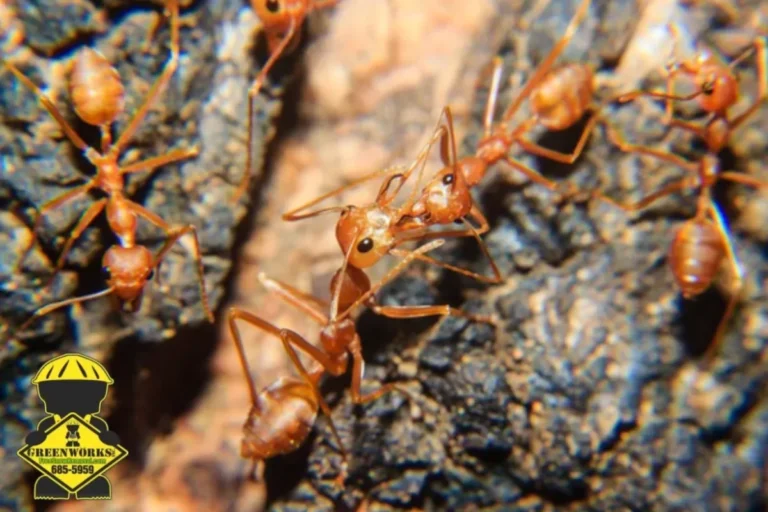
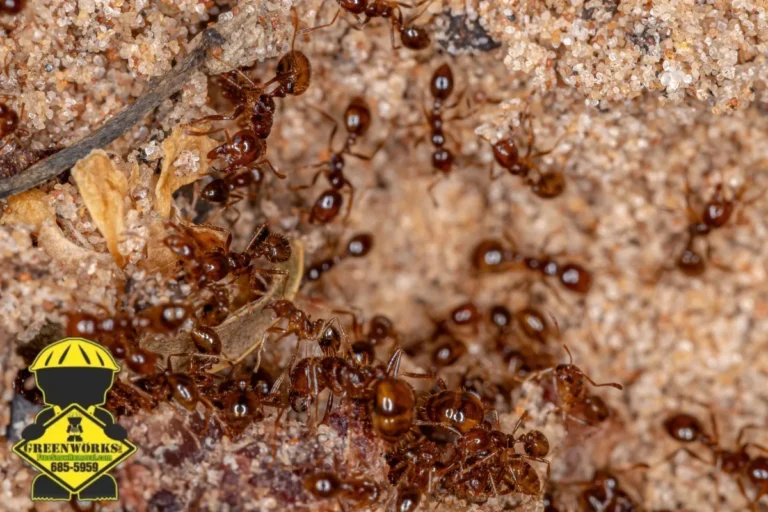
Fire ant debris (frass) is characterized by dark, gritty clusters containing dead insect parts and soil, typically found near electrical components or wall voids. Unlike the clean, fibrous texture of attic insulation or the light, wispy nature of household dust, this waste is heavy, acrid-smelling, and biologically structured. Distinguishing these markers is the first step in stopping an indoor “aerial” infestation before it causes an electrical short or structural damage.
Comparative Analysis: Debris vs. Infestation
In our various service areas, we frequently find that homeowners mistake fire ant refuse for degraded construction materials. While fire ants are traditionally known for outdoor mounds, they often establish indoor nesting sites to escape extreme weather or moisture. Use the table below to categorize the material you have discovered in your attic, crawl space, or behind a wall plate to determine if you need professional fire ant control.
Identifying Materials at a Glance
| Feature | Fire Ant Debris (Frass) | Cellulose/Fiberglass Insulation | Common Household Dust |
| Texture | Gritty, oily, and cohesive | Fibrous, fluffy, or “paper-like.” | Dry, light, and easily airborne |
| Components | Dead ants, soil, and food scraps | Glass fibers or recycled paper | Hair, skin cells, and textile fibers |
| Odor | Acrid or pheromone-heavy | Odorless (unless damp/moldy) | Neutral or “musty.” |
| Pattern | Small, localized mounds | Even layers or large “blow-ins.” | Randomly dispersed piles |
| Color | Dark brown, black, or reddish | Pink, yellow, or grey | Light grey to off-white |
Step-by-Step Diagnostic Guide
If you discover a suspicious pile, follow these diagnostic steps to confirm its origin. During a recent audit, we performed these tests to reveal an active colony nesting within a customer’s HVAC insulation, which had previously been dismissed as “settling dust.” If your findings match the descriptions below, it is time to contact a professional for pest control in Wesley Chapel, FL.
- The “Crush” Test: Using a gloved hand, press a small amount of the debris. Fire ant frass often smudges or sticks together due to the high protein and lipid content from dead insects. Fiberglass insulation will simply compress or spring back, while household dust will scatter.
- Magnification Check: Use a 10x lens or your smartphone’s macro camera. Look for “biomarkers” like segmented legs, translucent wings, or crushed mandibles. Insulation, under magnification, appears as needle-like glass shards or flat wood fibers.
- Proximity Audit: Check for nearby heat sources or live wires. Fire ants are highly attracted to electrical fields (electrotaxis). If the debris is clustered around a wire junction or outlet, it is a significant indicator that you should call an exterminator in Wesley Chapel, FL.
- Air-Flow Resistance: Blow gently on the pile. Dust and insulation will scatter instantly because they lack a binding agent. Fire ant debris is heavier and held together by moisture and biological oils, meaning the pile will remain largely intact.
The GreenWorks Strategic Approach: Neutralizing Indoor Aerial Colonies
At Greenworks, Inc., we believe that effective pest management requires more than just reactive spraying. Our strategic approach begins with a deep dive into the “why” behind an infestation, mapping the colony’s trajectory from the soil to your structural voids. We combine this high-level analysis with over 50 years of local experience in the unique Tampa Bay climate to provide a solution that addresses the root cause.
Once we confirm the debris is fire ant frass, we deploy fast and effective treatments that target the queen and the brood directly. We understand that in 2026, fire ants have become more resilient to over-the-counter baits. Our professional-grade solutions ensure that the entire colony is neutralized, preventing them from simply relocating within your walls. This methodology is the foundation of our high-authority pest control in Wesley Chapel.
Debunking the “Outdoor Only” Myth
The Myth: “Fire ants are strictly soil-dwellers; if you find debris in an attic or a second-story wall, it cannot be ants.”
The Reality: This misconception leads to thousands of dollars in property damage every year. Fire ants are opportunistic nesters. When Florida’s ground becomes saturated or temperatures spike, colonies migrate upward into wall voids and attics. They use insulation as a structural matrix for their galleries, often carrying soil upward to create a hybrid nesting environment. If you see gritty debris in elevated locations, it is a high-probability sign of an active infestation.
Technical Specifications: Material Features
Fire Ant Debris (Frass)
: Composed of exuviae (shed skins), nitrogen-rich waste, and organic material. High lipid (fat) concentrations make this waste darker and more likely to stain surfaces than regular household dust.
Fiberglass Insulation
A man-made mineral fiber ($amorphous\ silica$). Under a microscope, it appears as translucent shards. It contains no organic material and will not emit an acrid odor when disturbed.
Cellulose Insulation
Primarily treated recycled paper with a flat, “clumpy” appearance. While it can look like debris, it lacks the granular, “sand-like” quality that fire ants produce when carrying soil into a structure.
Electrotaxis Waste
Specific debris was found inside electrical components. It is characterized by charred insect bodies and a distinct “burnt protein” odor, often leading to circuit failures or fire hazards.
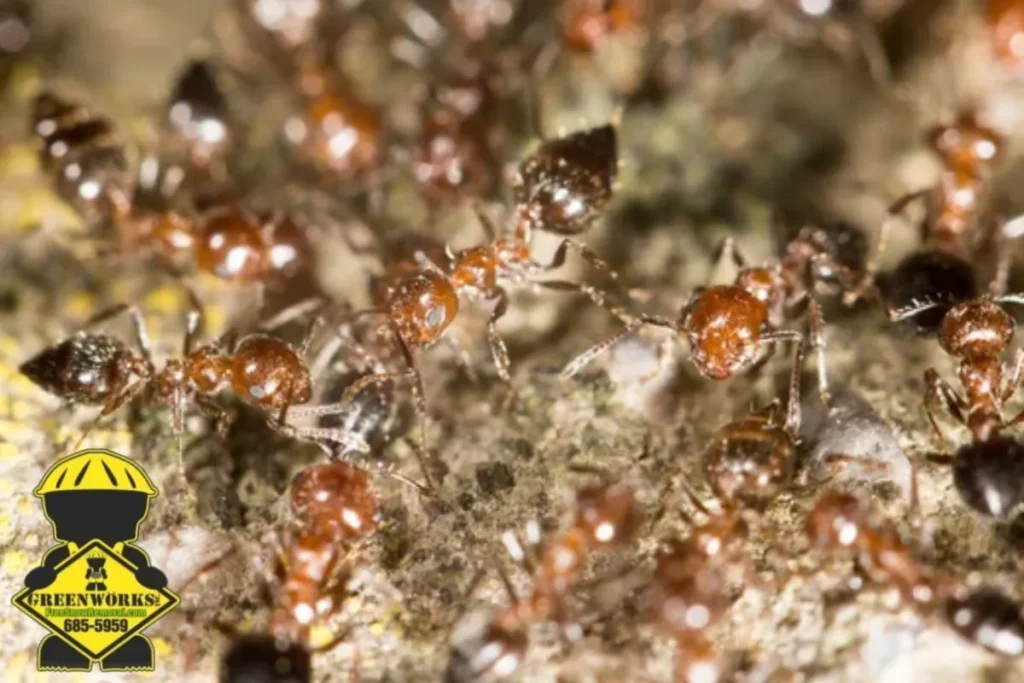
People Also Ask
Why are fire ants in my attic insulation?
Ants move into attics to avoid ground moisture or extreme heat. They find the insulation to be an ideal, warm material for supporting their complex gallery systems.
Does fire ant frass smell?
Yes. When disturbed, fire ant debris releases a sharp, acrid scent. This is a combination of formic acid and alarm pheromones used by the colony to signal a threat.
Can fire ants damage my electrical system?
Absolutely. Fire ants often crowd into electrical junction boxes. As they get electrocuted, they release pheromones that attract more ants, leading to a build-up of debris that causes shorts and potential fires.
How do I know if the debris is active or old?
Fresh frass is usually darker and more cohesive. If the pile continues to grow after you clean it, or if you see live ants nearby, the colony is active and requires professional intervention.
Secure Your Home with Trusted Professionals
At Greenworks, Inc., we take pride in being a professional, approachable, and community-focused partner for our neighbors. We understand the stress of finding strange debris in your home’s sensitive areas. Our brand is built on transparency and sustainability, ensuring every client feels confident in the care of their property.
With over 50 years of local experience, our team creates pest-free environments using environmentally responsible services. We offer a customized, results-driven approach tailored to the specific needs of the Florida climate. Our commitment to clear communication and hassle-free service ensures your property receives lasting, visible improvements.
Do not let a small pile of debris turn into a major electrical headache. Contact us today for a free quote or consultation.
Allow us to provide the fast and effective treatments your home deserves. Reach out now to schedule an ongoing service plan that keeps your property well-maintained and pest-free year-round.