Most lawns need fertilization several times a year, but the ideal schedule depends on grass type, soil conditions, climate, and seasonal growth. Warm-season grasses generally need nutrients during active growth, while applying too much fertilizer can damage turf and waste nutrients. A soil test and a lawn-specific plan can help determine when and how often to fertilize.
How Often Should You Fertilize Your Lawn Throughout the Year?
The right lawn fertilization schedule depends on how quickly your grass grows and how much nutrition your soil provides. Some lawns benefit from several applications during the growing season, while others need fewer treatments.
Instead of following the same schedule year after year, consider your grass type, soil test results, previous fertilizer applications, and current weather. These factors help determine when your lawn needs additional nutrients.
Recommended Fertilization Frequency by Grass Type
Different grass varieties have different nutrient needs. The following table provides general guidance for common warm-season grasses.
| Grass type | General fertilization approach | Key consideration |
| St. Augustine | Fertilize during active growth as needed | Avoid excessive nitrogen and follow local recommendations |
| Bermuda | May need several applications during active growth | Rapid growth can increase nutrient demand |
| Zoysia | Fertilize during active growth based on lawn condition | Avoid unnecessary applications |
| Centipede | Usually requires a lighter fertilization approach | Too much fertilizer can harm the grass |
| Bahia | Fertilize when grass and soil conditions indicate a need | Soil fertility helps guide the schedule |
These are general guidelines, not fixed schedules. A soil test, grass-specific recommendations, and fertilizer label instructions can help determine the appropriate timing and amount.
How Seasonal Changes Affect Fertilization
Seasonal weather affects grass growth and its ability to use nutrients.
- Spring: Assess the lawn and begin fertilizing when the grass is actively growing and conditions are suitable.
- Summer: Apply nutrients as needed, but avoid unnecessary treatments during extreme heat or drought stress.
- Fall: Adjust the schedule based on grass type, growth patterns, and seasonal recommendations.
- Winter: Avoid routine applications when the grass is dormant or cannot use nutrients effectively.
For homeowners in Odessa, Florida, the schedule should account for warm-season grass and local growing conditions. However, the exact timing still depends on the grass variety, soil needs, and weather.
What Factors Determine How Often Your Lawn Needs Fertilization?
There is no single schedule that works for every lawn. Several factors determine how frequently fertilizer should be applied.
Grass Type and Growth Rate
Grass varieties differ in how quickly they grow and how much nutrition they need. Fast-growing turf may use nutrients more quickly during active growth, while other varieties require fewer applications.
Identify your grass before choosing a fertilization program. Using a schedule designed for a different variety can lead to poor results or unnecessary nutrient use.
Soil Conditions and Nutrient Deficiencies
Soil supplies essential nutrients, but their availability varies from one property to another. Soil pH also affects how well grass absorbs certain nutrients.
A soil test can help identify nutrient shortages and determine whether fertilizer is needed. Yellowing grass alone does not confirm a nutrient deficiency. Poor drainage, watering problems, pests, and disease can cause similar symptoms.
Weather, Watering, and Lawn Stress
Rainfall, irrigation, heat, and drought all affect lawn health. Heavy rain can increase the risk of nutrient runoff, while dry conditions may limit grass growth and nutrient uptake.
Before applying fertilizer, consider whether your lawn is growing normally or struggling with environmental stress. Addressing the underlying problem may be more effective than adding more nutrients.
Previous Fertilizer Applications
Check when your lawn was last fertilized and which product was used. Applying more fertilizer too soon can lead to excessive growth, turf damage, and wasted nutrients.
Keep a record of application dates and products. This information makes it easier to plan future treatments and avoid unnecessary applications.
How Can You Tell When Your Lawn Needs Fertilization?
Changes in your lawn can point to possible nutrient problems, but they do not always mean fertilizer is needed.
Watch for these common signs:
- Yellow or pale grass: This may indicate a nutrient shortage, but watering problems and disease can also cause discoloration.
- Slow growth: Grass that grows poorly may have limited nutrients or unfavorable soil conditions.
- Thin turf: Nutrient shortages may contribute to weak growth, but shade, pests, and improper mowing can also affect grass density.
- Uneven color: Differences in soil, irrigation, sunlight, or nutrient availability may cause some areas to look less healthy.
- Poor recovery: Grass that struggles to recover from normal use may need a closer assessment of its growing conditions.
If you notice these signs, inspect the lawn before applying fertilizer. A soil test or professional assessment can help identify the cause and guide the next step. For related lawn and pest concerns, Odessa pest control services from GreenWorks Inc. can help you explore suitable solutions for your property.
What Is the Difference Between Professional Lawn Fertilization and DIY Applications?
Both professional services and do-it-yourself applications can support a healthy lawn when fertilizer is selected and applied correctly. The main differences involve treatment planning, convenience, and ongoing care.
| Factor | Professional lawn fertilization | DIY fertilization |
| Treatment planning | Can be tailored to grass type and lawn conditions | Depends on the homeowner’s assessment |
| Product selection | Based on the provider’s evaluation and treatment plan | Chosen by the homeowner |
| Application timing | Managed through a planned service schedule | Tracked by the homeowner |
| Lawn monitoring | May include follow-up visits and adjustments | Requires ongoing personal monitoring |
| Convenience | Reduces the work involved in lawn care | Requires time for research and application |
When Should You Consider Professional Lawn Fertilization?
Professional service may be helpful when grass remains unhealthy despite regular maintenance, nutrient needs are unclear, or you want a consistent treatment schedule. If your property also needs pest control in Odessa, FL, GreenWorks Inc. can help you explore lawn care and pest management options tailored to your property’s needs.
A professional can assess the lawn, recommend suitable treatments, and identify other issues that may affect growth. This can help prevent unnecessary fertilizer applications when the real problem involves pests, disease, or watering.
Common Lawn Fertilization Myth: More Fertilizer Means Greener Grass
Myth: Applying fertilizer more often will always make grass greener and healthier.
Fact: Grass needs the right nutrients in the right amounts. Excess fertilizer can damage turf, encourage excessive top growth, and increase the risk of nutrient runoff.
More fertilizer will not fix every lawn problem. If grass is yellow because of poor drainage, disease, or insect damage, adding nutrients may not address the cause.
To avoid overfertilizing:
- Follow the product label for application rates and timing.
- Use soil test results to help determine nutrient needs.
- Choose a schedule suited to your grass type.
- Avoid unnecessary applications during unsuitable weather.
- Address pests, disease, and watering problems separately when needed.
A consistent, lawn-specific schedule is more useful than fertilizing whenever the grass looks less green.
Applying Our Customized Lawn Care Approach to Solve This
GreenWorks Inc. has over 50 years of experience providing lawn and pest care. Its approach combines custom fertilization programs, professional fertilization, targeted weed control, and proactive pest management to address the needs of each property.
Rather than applying the same treatment to every lawn, the team considers grass type, soil conditions, seasonal needs, and visible signs of stress before recommending a plan.
How GreenWorks Inc. Determines a Fertilization Schedule
The process focuses on understanding the lawn before selecting treatments.
- Inspect the lawn: Assess grass condition, growth patterns, and visible signs of nutrient stress.
- Evaluate its needs: Consider grass type, soil conditions, and seasonal requirements.
- Apply professional fertilization: Select an appropriate treatment based on the lawn’s needs.
- Coordinate supporting services: Use targeted weed control and proactive pest management when needed to address weeds and insects that can affect turf health.
- Review and adjust: Monitor the lawn’s response and determine whether future treatments need to change.
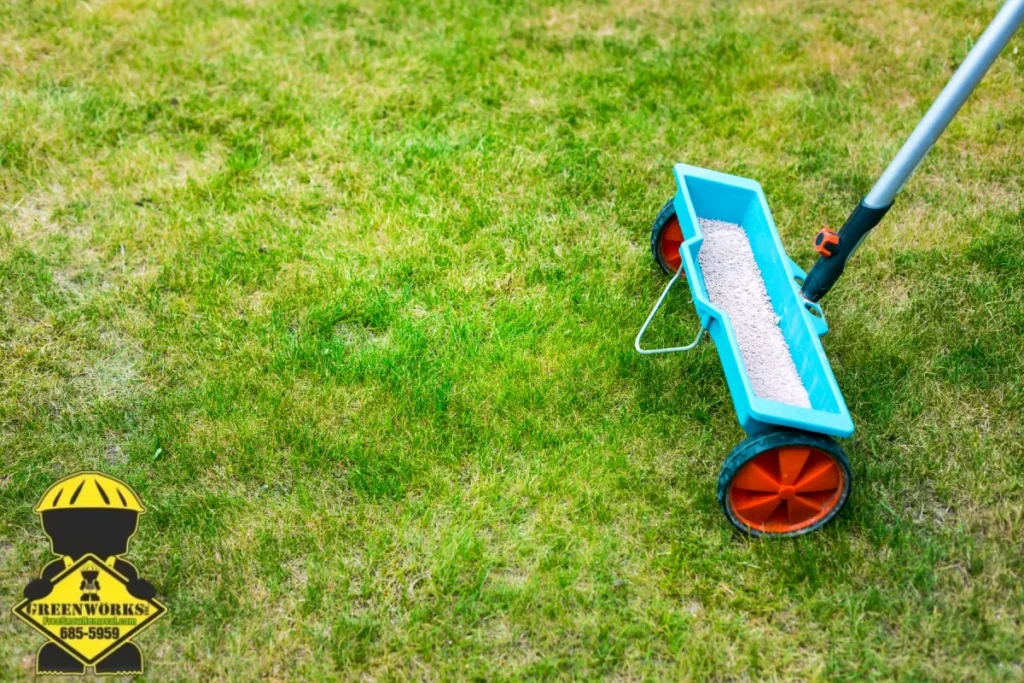
GreenWorks Inc. also uses slow-release fertilizers enriched with micronutrients such as iron and magnesium as part of its lawn care approach. These nutrients can support lawn health when they are appropriate for the grass and soil conditions.
Why a Customized Program Matters
Fertilization is only one part of maintaining healthy grass. Weeds compete with turf for nutrients, while certain insects and lawn diseases can damage grass even when nutrients are available.
GreenWorks Inc. combines professional fertilization with targeted weed control and proactive pest management to address these concerns as needed. This approach helps property owners manage several lawn care needs through a coordinated plan rather than relying on fertilizer alone.
For homeowners looking for pest control in Odessa, lawn health and pest management may need to be considered together. However, each problem requires the right assessment and treatment instead of assuming fertilizer will resolve every issue.
People Also Ask About Lawn Fertilization
How Many Times a Year Should You Fertilize Your Lawn?
The number of applications depends on grass type, soil fertility, climate, and fertilizer recommendations. Many lawns need several applications during active growth, while others require fewer. A soil test and grass-specific guidance can help determine the right schedule.
Can You Fertilize Your Lawn Too Often?
Yes. Too much fertilizer can damage grass, encourage excessive growth, and contribute to nutrient runoff. Follow label instructions and avoid applying more fertilizer before your lawn needs it.
Should You Fertilize Your Lawn Before or After Rain?
Follow the fertilizer label because timing depends on the product. Avoid applying fertilizer when heavy rain is likely to wash nutrients away. Some products need watering after application, while others have different requirements.
How Long Does It Take for Lawn Fertilization to Show Results?
Results vary based on fertilizer type, grass condition, weather, watering, and nutrient availability. Some changes may become visible sooner than others, but there is no single timeline for every lawn.
Is Professional Lawn Fertilization Better Than DIY Fertilization?
Both approaches can work when fertilizer is applied correctly. Professional service may provide a customized schedule, product selection, and ongoing assessment, while DIY fertilization gives homeowners direct control over the process.
Keep Your Lawn Healthy With a Consistent Fertilization Schedule
The right fertilization schedule depends on your grass, soil, and growing conditions. Applying nutrients at the right time can support healthy growth, while unnecessary applications may waste fertilizer or damage your lawn.
With over 50 years of experience, GreenWorks Inc. provides custom fertilization programs, targeted weed control, and proactive pest management to help homeowners and businesses care for their outdoor spaces. The team takes a practical, customer-focused approach to recommending treatments based on each property’s needs.
If you need lawn fertilization or pest control, contact us now to discuss your property and request a free quote or consultation.